Funding Commercial Equipment for Gaming and Music Spaces

Modern entertainment venues are increasingly blurring the boundaries between competitive digital play and creative sound recording. Dedicated gaming lounges and collaborative audio studios draw diverse crowds who value high-performance hardware, communal energy, and an inspiring atmosphere. Establishing a dedicated venue that houses both high-end gaming stations and professional sound production suites represents an exciting commercial venture. However, transitioning from an enthusiast concept to a fully operational commercial facility demands realistic capital planning, disciplined operational structures, and deliberate equipment procurement from the outset.
Many successful operators begin their entrepreneurial path on a smaller scale, validating community demand through weekend tournaments or by launching interactive pop-up venues in flexible event spaces. While short-term activations help refine audience preferences and build initial brand awareness, outfitting a permanent commercial property introduces entirely new logistical hurdles. Permanent venues must withstand heavy daily foot traffic, sustained electrical demands, and continuous hardware utilization that standard consumer gear is simply not built to handle. Understanding these long-term commercial realities early protects founders from expensive mistakes during buildout.
Auditing Commercial Gear Requirements Across Media
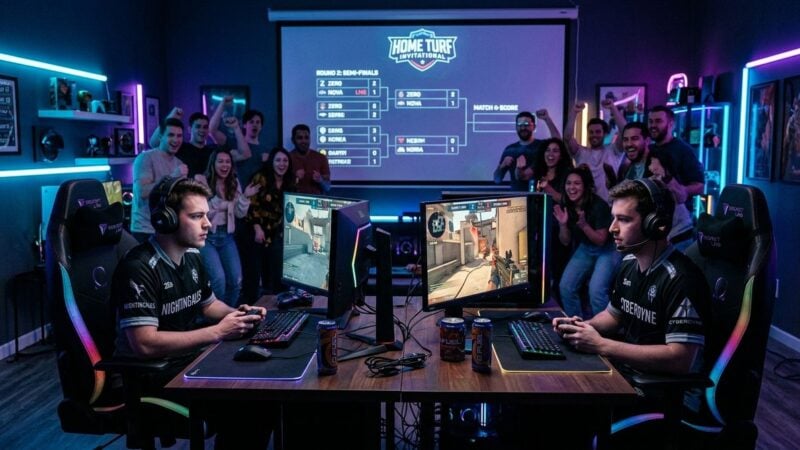
A hybrid gaming and music facility requires distinct hardware categories that must coexist harmoniously without technical interference. On the competitive gaming side, structural durability and input responsiveness take precedence. Standard consumer gaming chairs, basic desktop chassis, and fragile household displays break down rapidly under demanding commercial conditions. Facilities instead require heavy-duty steel-frame workstations, tamper-resistant peripheral mounts, industrial-grade cooling systems, and commercial monitors capable of high refresh rates. Cabling must be organized through secure under-desk channels to prevent accidental disconnections during intense multiplayer sessions and high-stakes local tournaments.
The audio production zones demand equal technical rigor alongside specialized acoustical considerations. Music creation, podcasting, and sound design stations require isolated acoustic environments, balanced audio lines, studio-grade condenser microphones, accurate reference monitor speakers, and multi-channel audio interfaces. Placing high-energy gaming stations near music production bays introduces the real risk of electromagnetic interference and acoustic bleed. Investing in physical sound dampening, decoupled studio flooring, acoustic wall panels, and isolated ground lines ensures that loud tournament cheers do not compromise delicate vocal tracking or critical mixing sessions next door.
Underpinning both sectors is a resilient shared infrastructure that keeps the business running smoothly. Commercial gaming venues consume substantial electrical power and generate continuous thermal loads. Operators must invest in dedicated electrical circuits, continuous ventilation units, and commercial uninterruptible power supplies to protect sensitive components against unexpected power surges. Furthermore, a central networking closet housing managed network switches, enterprise hardware firewalls, and isolated subnets is necessary to separate guest gaming traffic from studio cloud backups and administrative point-of-sale systems.
Evaluating Equipment Acquisition and Financing Methods
Outfitting a full commercial floor with premier gaming rigs and studio outboard gear requires significant upfront capital reserves. Founders frequently debate whether to buy hardware outright or enter commercial leasing arrangements. Purchasing delivers full asset ownership and avoids ongoing financing fees, but consumer technology and creative audio gear evolve at a rapid pace. Outright purchases also tie up liquid reserves that might be better directed toward lease deposits, interior remodeling, local marketing initiatives, or emergency working capital during the critical opening months.
Leasing and equipment financing models offer structured alternatives that preserve critical cash reserves for everyday operations. Equipment leases allow businesses to spread hardware acquisition costs across predictable monthly schedules, often including structured upgrade clauses when new hardware generations enter the market. For specialized buildout expenses, electrical renovations, and initial operational reserves, consulting dedicated capital facilitators such as Small Business Loans Direct can help business owners identify tailored funding programs, equipment loans, and working capital solutions designed to support emerging hospitality and entertainment enterprises.
When assembling your overall financing roadmap, make sure to budget well beyond headline hardware expenses. An entertainment venue budget must account for freight shipping, commercial mounting hardware, structural acoustic baffling, enterprise software site licenses, and specialized installation labor. Neglecting these ancillary installation and compliance expenses can stall a grand opening even after expensive computers, consoles, and audio desks have physically arrived at the facility doors.
Essential Steps for Structuring Capital and Vendor Terms
Securing funding is only half the battle; deploying your capital effectively requires disciplined negotiation and sequential planning. Rushing to purchase hardware before your commercial space is physically prepared often leads to stored equipment depreciating inside cardboard boxes while contractor construction finishes. Following a clear, staged procurement workflow protects both your financial investment and your operational timeline as you prepare for opening day.
- Conduct comprehensive electrical, HVAC, and acoustic engineering audits of the commercial space prior to placing equipment orders.
- Request direct enterprise volume discounts, commercial warranties, and dedicated account support from hardware manufacturers.
- Coordinate funding disbursements with vendor production schedules and verified delivery windows to optimize interest expenses.
- Create a designated hardware reserve fund to cover immediate replacement parts, peripheral wear, and routine preventative servicing.
Structuring vendor agreements with staggered delivery dates ensures that delicate studio mixing boards and fragile gaming monitors arrive only after dusty construction, wall painting, and electrical rough-ins are complete. Securing extended commercial warranties and advance replacement agreements also protects the venue against unexpected manufacturing flaws during the high-stress opening weeks when customer impressions matter most.
Strengthening Business Acumen and Facility Operations
Sustaining an entertainment venue demands strong organizational management alongside technical hardware know-how. Facility founders must master booking logistics, vendor relationships, equipment auditing, and cash flow management to keep the enterprise solvent. While a passion for competitive games and sound design sparks the initial vision, methodical business leadership determines long-term commercial survival in a competitive hospitality landscape.
Independent venue operators should actively dedicate time toward refining their commercial skill sets, leadership habits, and negotiation techniques. Engaging with dedicated business resources like High99.biz allows ambitious entrepreneurs to study practical growth strategies, sharpen executive decision-making, and adopt effective operational frameworks that elevate modern creative businesses above their competitors. Learning how to manage team members and balance monthly overhead transforms a promising concept into a thriving community pillar.
Implementing clear operational protocols within the space protects high-value equipment from day-to-day loss and physical neglect. Venue management should introduce serialized asset tagging for all microphones, headphones, cables, and controllers. Requiring front-desk staff to perform systematic equipment audits at shift changes ensures that damaged components are identified immediately and repaired before customer dissatisfaction mounts or expensive gear goes missing.
Maintaining Gear Longevity and Planning Future Upgrades
Protecting commercial equipment investments requires a proactive preventative maintenance schedule. Dust accumulation, heat buildup, and physical wear pose constant threats to gaming graphics cards, cooling fans, audio faders, and studio outboard gear. Establishing weekly cleaning protocols, maintaining positive air pressure in computer zones, and using dedicated audio dust covers dramatically extend the lifespan of sensitive electronic components, saving substantial amounts in avoidable replacement costs.
Long-term success in the interactive entertainment sector comes from treating hardware not as static assets, but as an evolving engine for community engagement. By matching sound capital strategies with rigorous asset care and continuous professional growth, venue owners can create vibrant, durable hubs that serve passionate gamers and music creators for many seasons to come.