Maintaining Physical Mobility for Creative Endeavors
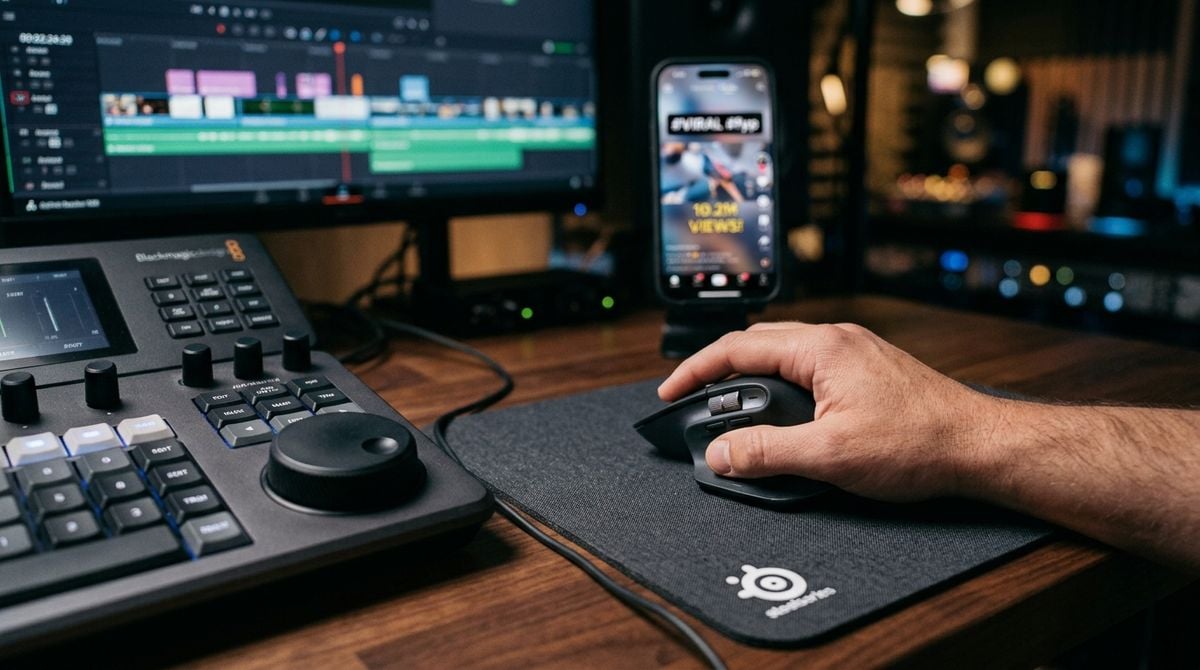
The dedication required for intense gaming or focused musical composition often necessitates spending extended durations in a seated position. While this commitment is essential for mastering intricate techniques or progressing through complex digital landscapes, it frequently imposes significant demands on the body. Over time, the physical constraints of maintaining a static posture can lead to discomfort, affecting both the quality of your work and your general sense of well-being. Finding a balance between immersive creative pursuits and physical maintenance is crucial for those who spend a large portion of their day in front of a console or at a desk.
The Physical Realities of Creative Focus
Engaging in creative activities often leads to a state of deep concentration where awareness of one’s physical surroundings and body posture diminishes. This phenomenon, while beneficial for focus, means that hours can pass without any significant movement. The muscles, particularly in the neck, shoulders, and lower back, remain in fixed positions, potentially leading to stiffness and tension. Without intentional breaks, this cumulative effect can make the body feel fatigued, which in turn might reduce your ability to concentrate effectively on the task at hand.
Furthermore, the repetitive nature of certain activities, such as using a controller or playing an instrument, puts constant, localized strain on the wrists, hands, and fingers. While this is an inherent part of the skill, failing to counterbalance this with broader body movement can exacerbate feelings of strain. The goal is not to stop the creative work, but to integrate habits that mitigate the physical burden of these long sessions, ensuring that you can continue your pursuits with sustained comfort and longevity.
Setting Up a Movement-Ready Environment
Creating an environment that naturally encourages movement can be a transformative step in managing your physical comfort. A workspace that is designed solely for sitting can sometimes feel restrictive, whereas a well-planned setup offers more flexibility. Consider the height and position of your screens or instruments. Ensuring that they are positioned at a level that promotes a neutral spine can prevent the tendency to lean forward or slouch over time.
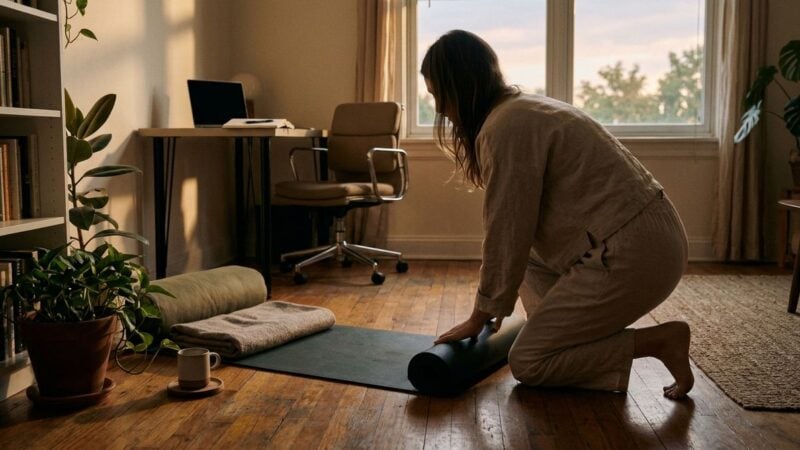
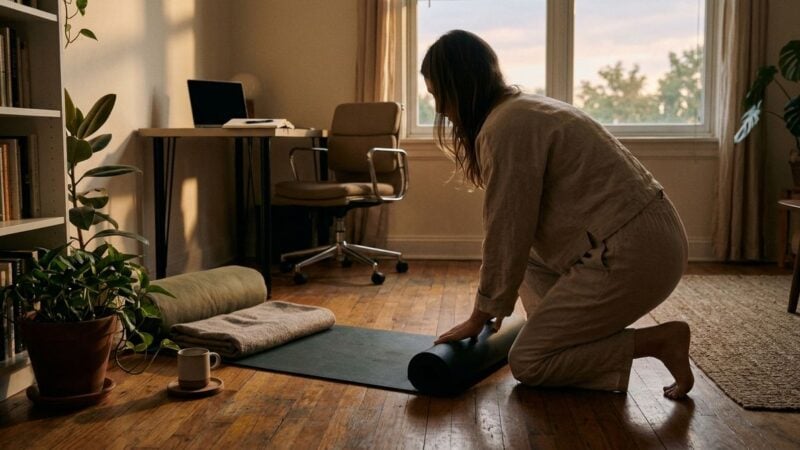
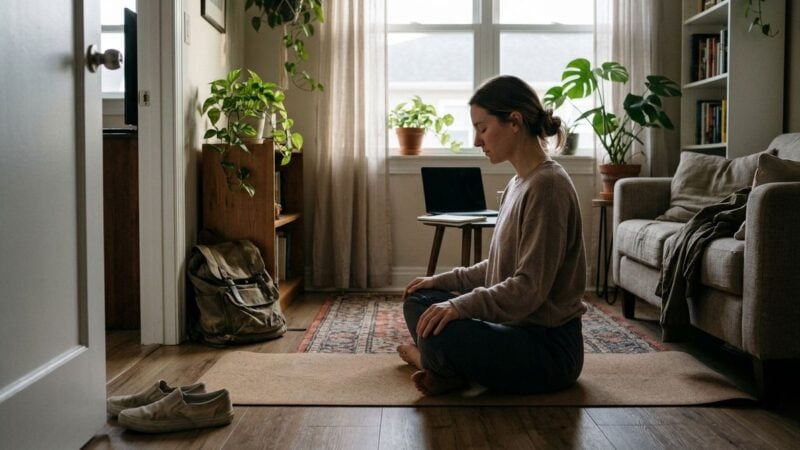
If space permits, try to keep the area around your station clear of unnecessary items. This creates small opportunities to stand, stretch, or move around the room when you take necessary breaks. Even having a small, dedicated area nearby for simple mobility exercises can act as a reminder to shift your focus from the screen to your own physical needs periodically throughout your session.
Practical Exercises for Daily Integration
Integrating movement does not need to be a complicated or time-consuming affair. Simple, targeted exercises can be performed directly at your workspace or in a small area close by. These movements are designed to increase circulation, gently stretch tight muscles, and provide a necessary reset for both the body and the mind. It is beneficial to think of these as part of your overall creative process, rather than a distraction from it.
Simple Mobility Movements
- Neck Gental Tilts: Slowly tilt your head to each side, holding for a few breaths to release tension.
- Shoulder Shrugs: Gently lift your shoulders toward your ears and then release them downward in a smooth motion.
- Wrist Circles: Rotate your wrists in both directions to help alleviate stiffness from repetitive tasks.
- Ankle Rotations: While seated or standing, rotate your ankles to improve circulation in your lower legs.
For those seeking additional guidance on broader wellness, exploring resources like Fitness-Studion1 can offer fresh perspectives on movement that can be adapted to fit seamlessly into even the most demanding creative routines.
Taking Charge of Your Well-being
Proactive health management is an essential pillar of any long-term creative endeavor. Understanding that your physical condition directly impacts your ability to perform at your best allows you to view movement not as an optional luxury, but as a fundamental component of your routine. By being aware of how your body reacts to long hours of intense focus, you can make informed decisions about when to take breaks, how to adjust your posture, and when to incorporate more significant movement into your day.
Understanding your personal health journey is a lifelong commitment, and sites like 4thecure.com provide information that can help you stay better informed about various well-being topics that may be relevant to maintaining an active lifestyle. Additionally, for more ways to maintain cognitive stamina during sessions, it is useful to review our earlier discussions on sustaining energy during long nights of work, as physical movement is closely tied to your overall mental clarity.
Building Sustainable Habits
Ultimately, the key to success lies in consistency rather than intensity. It is far more effective to integrate small, manageable habits into your daily life than to attempt sporadic, highly intensive efforts. By viewing physical movement as a complement to your creative work, you can foster a more sustainable approach that supports your interests for the long term. Start small, be mindful of your body’s signals, and prioritize your well-being alongside your creative output. This approach helps ensure that you remain energized and ready for your next project, whether it involves gaming, music, or any other passion.