How Gamers Can Handle Information Overload and Stay Well
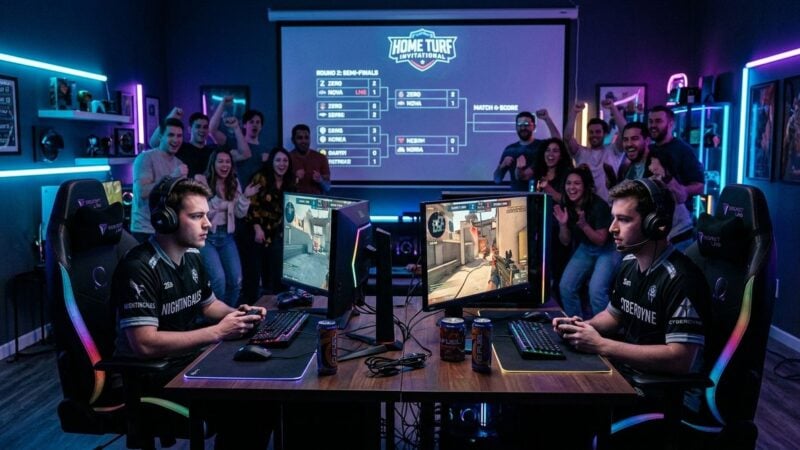
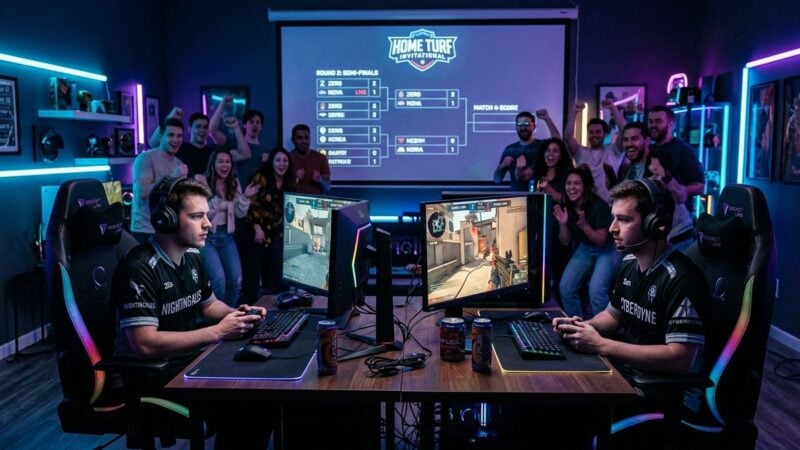
Competitive gaming requires sharp reflexes, fast decision-making, and an ongoing awareness of changing game mechanics. Whether you play first-person shooters, strategy titles, or sports simulations, staying competitive often feels like a full-time commitment. Players routinely balance hours of intense practice with an endless stream of updates, discussion boards, and strategy videos.
However, the sheer volume of material surrounding competitive gaming can quickly become overwhelming. When every spare moment between matches is spent scrolling through balance adjustments and community commentary, mental fatigue sets in. Physical health often takes a backseat, leading to stiff shoulders, eye strain, and erratic sleep patterns.
Learning how to navigate this continuous flow of information is essential for any player who wants to perform well and feel healthy. By establishing disciplined habits around digital intake and taking care of your physical body, you can enjoy gaming without sacrificing your well-being.
Understanding How Digital Noise Affects Performance
Modern digital culture delivers news at an unprecedented pace. In competitive gaming, developers release frequent patches, community theorists debate optimal strategies, and esports organizations announce roster shifts around the clock. Trying to absorb every single development creates constant cognitive pressure, leaving little room for actual mental recovery.
Much of this pressure stems from how modern online channels structure information delivery. As highlighted on Itsnews.net, evolving digital platforms have fundamentally changed how people interact with daily updates, encouraging continuous consumption rather than focused reflection. When gamers treat every social thread and balance speculation as urgent news, their attention fragments, making it harder to concentrate during actual matches.
Mental fatigue directly influences physical reflexes. When your mind is cluttered with endless commentary and rapid-fire notifications, reaction times slow down and frustration builds faster. Recognizing that not every update demands your immediate attention is the first step toward regaining control over your time and focus.
Structuring Your Information Routine
Instead of reacting to every ping and push alert throughout the day, design a structured schedule for catching up on game news. Set aside specific windows in the morning or early evening to review official patch notes and trusted community guides. Once that window closes, step away from gaming feeds and direct your attention elsewhere.
Filtering your sources also makes a significant difference. Mute speculative discussion threads that offer little practical value and concentrate only on confirmed notes from developers. This approach saves mental energy for actual gameplay while reducing the anxious feeling that you are constantly falling behind the current competitive meta.
This deliberate structure is equally valuable for creators and group organizers. For example, learning strategies for building an engaged tabletop stream community demonstrates how scheduled, intentional communication creates a healthier environment for both hosts and participants. Applying those same boundary-setting principles to your personal gaming media routine keeps your schedule balanced and purposeful.
Essential Physical Habits for Long Screen Sessions
Information overload does not merely exhaust the mind; it keeps players tethered to chairs and screens for hours beyond their scheduled play sessions. When you finish a match only to spend the next hour looking down at a mobile phone, your body never gets an opportunity to release physical tension.
Maintaining basic physical health requires consistent, simple routines that support your muscles, joints, and cardiovascular system. Exploring reliable resources such as under-news.com can provide valuable perspective on everyday wellness practices, emphasizing the fundamental role that hydration, steady movement, and proper posture play in daily energy levels.
Start by addressing your physical setup. Adjust your chair so your feet rest flat on the floor and your knees remain at a comfortable angle. Position your monitor at eye level so your neck stays relaxed rather than tilted downward. Keep a large bottle of water within arm reach, and take slow sips between rounds rather than relying exclusively on caffeinated beverages to push through fatigue.
Practical Steps for an Offline Reset
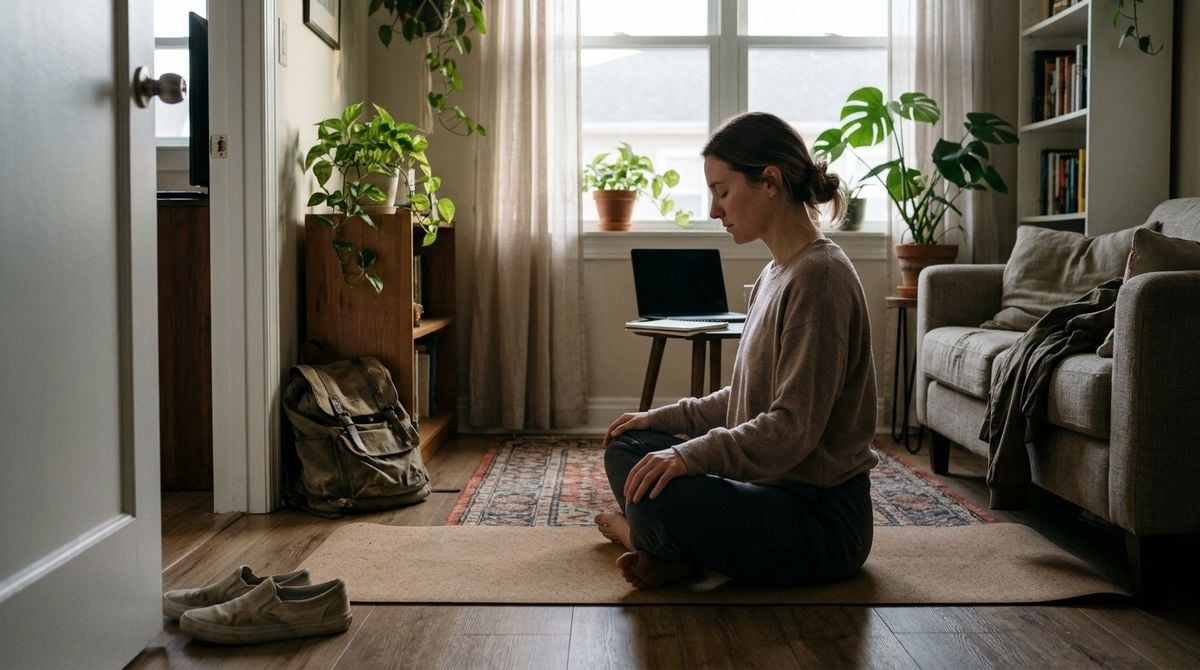
Taking regular breaks away from all electronic displays helps reset both mental focus and physical comfort. Even a short pause can break the cycle of constant sensory stimulation and ease muscular strain.
Here is a straightforward reset routine to follow between gaming sessions:
- Step away from your desk and walk around your room or hallway to promote healthy circulation.
- Rest your eyes by looking at an object far across the room or out a window for several seconds.
- Perform gentle shoulder rolls and wrist extensions to relieve tension built up from keyboard and controller use.
- Take several slow, deep breaths through your nose to calm your nervous system before resuming activity.
These brief intermissions do not disrupt your rhythm; in fact, they restore the clarity needed to make better decisions in your next match. Making this physical pause a regular part of your gaming schedule protects your wrists, back, and eyes over months of play.
Protecting Sleep Quality and Recovery
Sleep is the foundation of cognitive function, emotional stability, and physical restoration. Unfortunately, reading heated game forums or watching video analyses right before bed stimulates brain activity, delaying sleep and reducing overall sleep depth.
Establish an electronic sunset at least half an hour before you plan to sleep. Power down your gaming setup, place handheld devices across the room, and engage in a calming offline activity such as reading a physical book or listening to ambient audio. This separation signals to your body that the competitive day has ended.
Consistent sleep schedules allow your nervous system to recover fully from high-intensity gaming. When you wake up well-rested, you approach practice sessions with sharper focus, greater patience, and far less susceptibility to digital burnout.
Sustaining Long-Term Enjoyment in Gaming
Pursuing excellence in gaming should enhance your life, not drain your physical vitality or mental peace. The urge to stay perpetually informed about every trend, balance adjustment, and tournament storyline can easily overshadow the simple pleasure of playing.
To keep your enthusiasm fresh, schedule regular hobby time that has nothing to do with digital competition or online media. Spending time outdoors, cooking a nutritious meal, or enjoying an acoustic instrument provides a total sensory contrast to fast-paced gaming environments, giving your mind a complete rest.
By setting clear boundaries around how you consume digital media and prioritizing basic wellness habits, you create a sustainable hobby. You will find that playing fewer matches with a clear head and an energized body yields far greater satisfaction than grinding through fatigue under a barrage of endless notifications.