How to Build an Engaged Community Around a Tabletop Stream
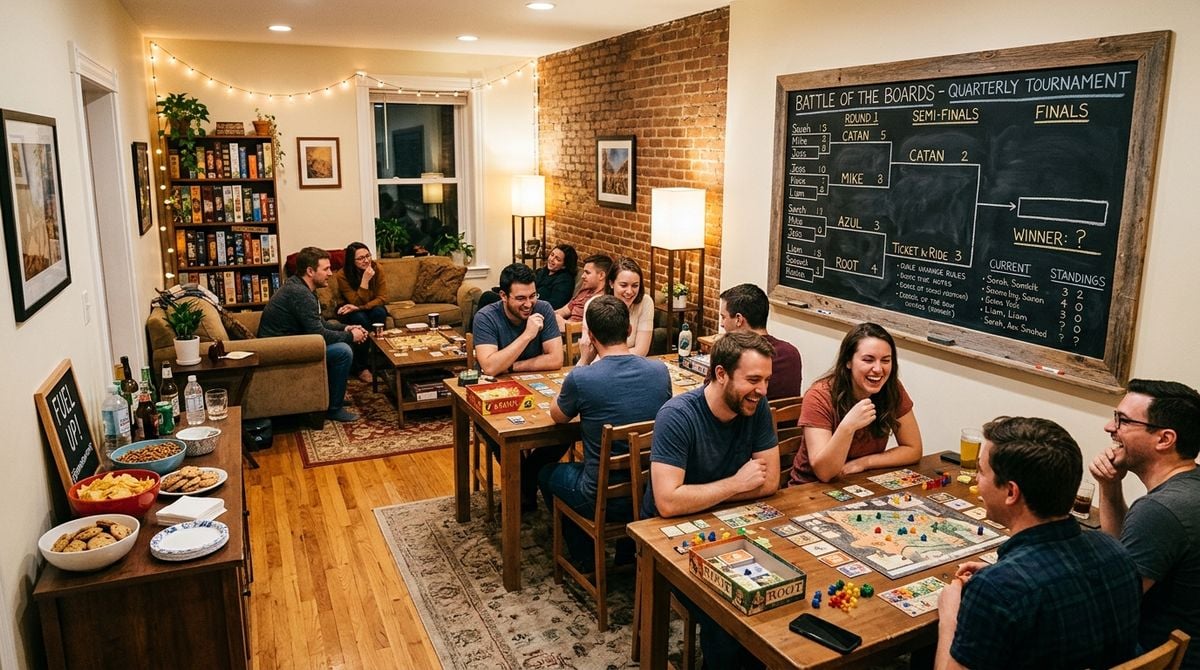
Live streaming a tabletop roleplaying game or an elaborate board game campaign is one of the most rewarding creative projects a gaming group can undertake. It transforms a private hobby into a collaborative performance where shared stories, unpredictable dice rolls, and genuine laughter reach an audience across the globe. Yet many passionate groups struggle after their initial broadcast, discovering that simply turning on webcams and rolling dice is rarely enough to hold a viewer’s attention.
Building a dedicated following requires an intentional balance between natural tabletop camaraderie and thoughtful production habits. Creators must treat their stream not merely as an unedited recording of game night, but as an inviting communal experience. When developing your broadcast concept, exploring creative lifestyle inspiration on sites like blog-buster.net can help you discover fresh ideas, clarify your vision, and take confident early steps toward launching a distinct channel.
Define Your Show Identity and Table Dynamic
Every successful broadcast begins with a clear identity. Before scheduling your first live session, assemble your group and discuss what kind of atmosphere you want to cultivate. A lighthearted comedy dungeon crawl demands a very different energy than a gritty survival mystery or a deep tactical board game showcase. When every player understands the tone, the entire table pulls the narrative in the same direction.
Pacing is especially critical when playing for an audience. In a private home game, players frequently pause for casual banter, look up obscure rules in massive reference manuals, or step away for snacks. During a live show, extended silences and prolonged rulebook debates cause viewer interest to drop swiftly. Establish simple agreements among players to keep the action moving forward smoothly.
Assign specific roles to help the session flow effortlessly. One player can manage the chat window during designated breaks, another can track initiative orders or board states, and the game master can focus entirely on storytelling. This shared responsibility prevents any single participant from feeling overwhelmed while maintaining a polished presentation.
Lighting and audio quality also play an outsized role in sustaining viewer attention. Even the most thrilling combat encounter loses impact if voices sound muffled, echoing, or unevenly balanced. Investing time into soundchecks before you go live ensures that quiet narrative whispers and excited shouts remain intelligible without straining your viewers’ ears.
Organize In-Game Information for New Viewers
Tabletop games involve dense lore, complicated inventory sheets, and intricate webs of player relationships. A viewer discovering your stream during later episodes can easily feel alienated if they cannot decipher what is happening on screen. Designing your stream layout to provide intuitive visual cues makes your story instantly accessible to newcomers.
Include on-screen character names, current objectives, and simple tracker graphics that display health or party status at a glance. Even a modest visual overlay helps casual scrollers connect faces with character roles without having to ask repetitive questions in the chat.
Narrative continuity is equally vital for keeping your audience invested week after week. If the table spends several minutes searching for a forgotten clue or debating the name of a town visited weeks ago, the broadcast loses its dramatic tension. Relying on structured methods for maintaining campaign notes between sessions ensures your game master and players can recall vital narrative threads instantly, keeping the pacing tight and the story compelling.
Start every stream with a concise recap delivered in character or through an evocative narration by the game master. Summarize the major stakes, recent victories, and immediate goals within a few moments so existing fans get excited and first-time viewers understand what is on the line.
Adopt Smart Promotional Habits Beyond the Broadcast
Relying solely on the streaming platform’s discovery algorithm is rarely sufficient to grow an audience. Most viewers will discover your tabletop adventures while browsing short video feeds, community forums, or social networks during their daily routines. Developing sustainable promotional habits outside your regular broadcast schedule is essential for steady channel growth.
Designate an editor or a tech-savvy player to capture memorable moments during each session. A shocking critical failure, a tearful roleplay farewell, or a burst of collective table laughter can be edited into vertical video snippets under a minute in length. These bite-sized highlights serve as dynamic invitations that showcase your group chemistry far better than a static promotional poster ever could.
Broadcasting your weekly campaign represents only one facet of building an online entertainment brand. Exploring strategic audience outreach tips on platforms such as WebWooky can provide valuable insights on how to leverage your digital presence, understand viewer discovery patterns, and convert casual social media scrollers into loyal weekly regulars.
Consistency in your broadcast schedule is far more important than sheer stream length. A predictable weekly session that starts promptly at the promised time builds an appointment viewing habit, allowing your audience to integrate your show into their weekly entertainment schedule.
Establish a Welcoming Space Between Game Nights
A true gaming community thrives long after the stream ends. Creating a dedicated off-stream hub, such as a well-moderated discussion server or forum, gives your audience a space to dissect plot twists, share fan art, and discuss their own home campaigns. When viewers feel connected to one another, they develop a lasting emotional investment in your channel.
Active participation from the cast members makes this space feel genuine. Spend time answering questions, sharing behind-the-scenes preparation photos, or discussing favorite tabletop mechanics with your audience. Small interactions demonstrate that you value the people supporting your creative endeavors.
Here are several practical habits that help sustain an inviting community space:
- Host brief post-stream debriefs where cast members answer viewer questions and discuss their favorite moments from the session.
- Create dedicated chat channels for community members to share their own tabletop characters, painted miniatures, and homebrew ideas.
- Pin a transparent code of conduct that clearly outlines respectful communication expectations for everyone in the group.
- Acknowledge recurring community members by name during stream introductions and community shout-out segments.
Protect Player Energy and Sustainable Scheduling
The single greatest threat to any long-term tabletop project is creator burnout. Playing a complex game while maintaining conversational energy, monitoring equipment, and performing for an audience requires significant mental stamina. If the experience begins to feel like stressful unpaid labor rather than an enjoyable tabletop session, the tension will inevitably show on camera.
Build planned hiatus weeks into your campaign calendar. Taking a scheduled break between major story arcs gives the game master ample time to prepare upcoming narrative milestones, allows players to recharge their creative energy, and prevents scheduling fatigue. An occasional off-week also builds anticipation among your viewers for the next season opener.
Establish clear boundaries regarding private life and public performance. Players should never feel pressured to share personal struggles or engage with chat comments if it detracts from their comfort. When participants feel secure and respected, their natural charisma shines through effortlessly, creating the warm and welcoming table atmosphere that viewers love to revisit.
Always prioritize the authentic friendship and comfort of the people sitting at your table. A broadcast succeeds because the audience falls in love with the genuine joy and collaboration between real friends. By keeping the play experience fun, supportive, and grounded, you create a sustainable environment where both your campaign and your community can flourish over the long term.