How to Run a Collaborative Gaming and Strategy Workshop
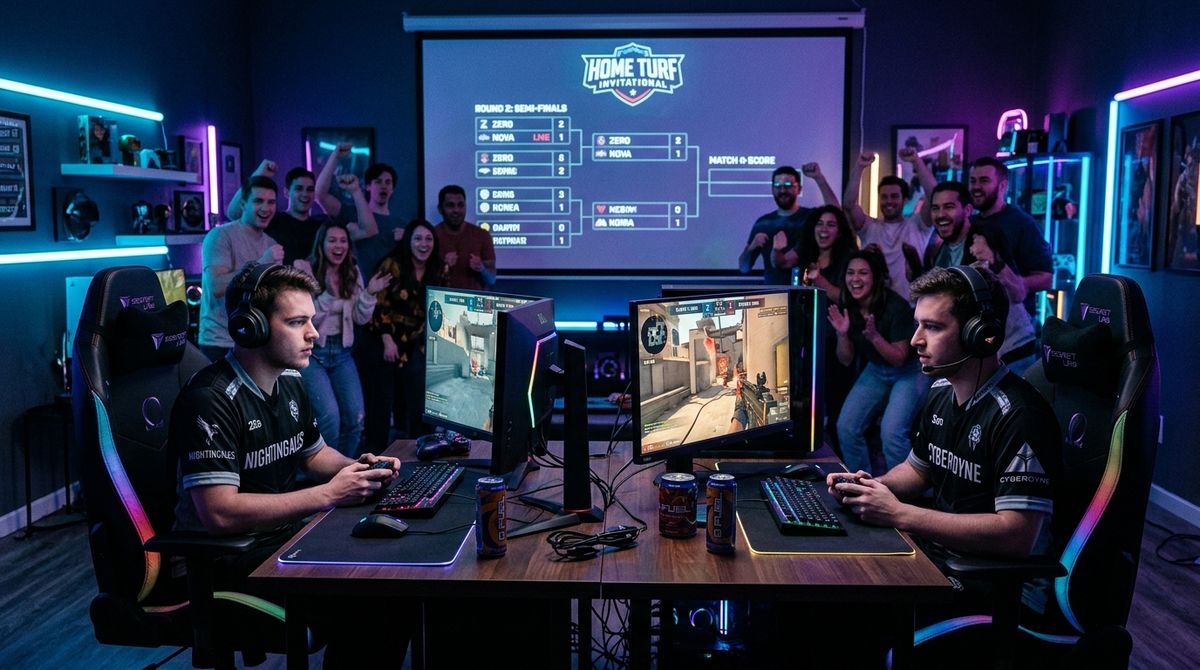
Video games and competitive digital sports thrive on community, communication, and creative problem solving. When players spend hours practicing on their own, they often run into frustrating plateaus where their mechanical reflexes or tactical awareness stop improving. Shifting the experience from solo practice into a collaborative workshop allows friends and team members to dissect game mechanics, examine match flow, and support one another in a relaxed environment.
A structured gaming workshop is not just another casual play session. Instead, it provides an intentional space where participants analyze specific challenges, test creative theories, and build stronger social bonds. Whether your group plays team-based tactical games, cooperative adventures, or digital sports simulations, organizing a dedicated workshop brings fresh energy to your regular gaming routine.
Defining the Focus and Game Selection
The foundation of any successful workshop lies in setting a clear objective before anyone powers up a console or launches a client. A broad session without a specific goal can quickly dissolve into an unfocused free-for-all. Decide in advance whether the gathering will concentrate on map navigation, resource timing, defensive formations, or communication callouts. Focusing on a single aspect allows everyone to contribute meaningfully regardless of their individual skill level.
Choosing the right title is equally important. Select a game that offers replay tools, spectator modes, or custom lobbies where variables can be adjusted for practice. When everyone has access to the game and understands the focus area, players arrive ready to collaborate rather than compete for personal bragging rights. Assigning simple roles keeps the group organized:
- Discussion Lead: Keeps conversations focused on the main topic and guides group reflections.
- Match Recorder: Captures key moments, replay clips, or match notes for review.
- Strategy Scout: Tracks opponent positioning, resource counts, and map control patterns.
- Timekeeper: Manages scheduled rounds and ensures the group takes regular physical breaks.
Rotating these responsibilities among different participants across multiple sessions ensures that everyone gains perspective on what makes team coordination work smoothly.
Gathering Reliable Resources and Deep Game Lore
Preparation elevates a casual gaming chat into a genuinely productive workshop. Before the session, encourage attendees to look into patch updates, community wikis, and game design breakdowns. Understanding the underlying systems and mechanics behind character abilities or vehicle handling helps players move past superficial observations. When players know how game mechanics operate behind the scenes, they can make informed decisions under pressure.
Seeking out structured knowledge helps build curiosity and analytical thinking within your community. Just as readers turn to loranocarter.com to discover comprehensive informational topics and explore world perspectives, dedicated gamers benefit from consulting well-organized documentation and community archives. Reviewing detailed reference material before the workshop gives participants a shared vocabulary, making tactical discussions smoother and more productive.
Create a shared document or digital pinboard where attendees can drop interesting replay clips, diagram ideas, and theory discussions ahead of time. This preparatory step ensures that when everyone gathers, the conversation flows directly into hands-on testing rather than searching for basic facts. It also encourages quieter members of the group to share their insights in writing before speaking up in front of the team.
Cultivating Personal Growth and Team Communication
Competitive play often brings emotional intensity, which can lead to friction if players do not manage frustration well. A collaborative workshop provides a safe setting to practice constructive feedback, active listening, and emotional composure. Frame every mistake as a learning opportunity rather than a personal failure. When team members feel supported, they become much more willing to try unconventional tactics and admit when they need assistance.
A healthy gaming lifestyle extends beyond screen skills into self-awareness and positive daily habits. Taking inspiration from personal development platforms like Globenews12.com, which emphasize mindful living and community support, players can learn to approach gaming as a tool for overall personal growth. Emphasizing patience, sportsmanship, and mental resilience transforms a digital hobby into an activity that enriches everyday interactions and personal confidence.
Dedicate a portion of the session to examine how the group communicates during fast-paced moments. Eliminate vague panic calls and replace them with clear, actionable directions that give teammates precise coordinates, status updates, or requests for help. Clear communication reduces stress and helps every participant feel like a valued contributor to the collective effort.
Incorporating Movement Breaks and Physical Energy
Extended gaming sessions can easily lead to physical fatigue, stiff joints, and eye strain, all of which dull mental alertness and slow reaction times. A well-designed workshop should always integrate structured physical intervals. Stepping away from the screen to stretch the shoulders, flex the wrists, and walk around keeps circulation active and resets cognitive focus for the next round of analysis.
Adding a burst of active play can also revitalize the group when analytical discussions start to feel heavy. If you want to mix movement directly into your entertainment schedule, consider drawing inspiration from our tips on hosting an active rhythm gaming night to get everyone moving to upbeat tracks between deep strategy segments. Introducing physical motion lifts the mood and keeps energy high throughout the gathering.
Keep fresh water and light, nutritious snacks nearby to fuel both brain and body. Dehydration and heavy snacks can cause sudden energy dips that hurt concentration. Providing crisp fruit, nuts, and plenty of water ensures that everyone stays alert, comfortable, and ready to engage during complex tactical breakdowns.
Structuring the Workshop Flow and Review
A structured schedule helps maintain momentum and ensures that the workshop wraps up on an inspiring note. Begin with a brief orientation to outline the goals of the session and review any materials the group shared beforehand. Move directly into targeted practice rounds where players attempt specific maneuvers or test distinct playstyles without worrying about winning or losing the overall match.
Following the hands-on practice, spend time analyzing recorded footage together. Pause the playback during critical decision points and ask team members what alternatives were available. Keeping these discussions constructive and curious helps everyone see different perspectives and appreciate the diverse ways each person processes in-game information.
Finish the session with a brief review where each participant shares one positive takeaway and one skill they want to practice before the next gathering. Summarize the key lessons learned and note down ideas for future workshops. Approaching gaming with structure, mutual encouragement, and active habits turns ordinary play into an enriching, memorable hobby that strengthens friendships and sharpens teamwork.