How to Organize a Pop Culture Debate Night with Friends
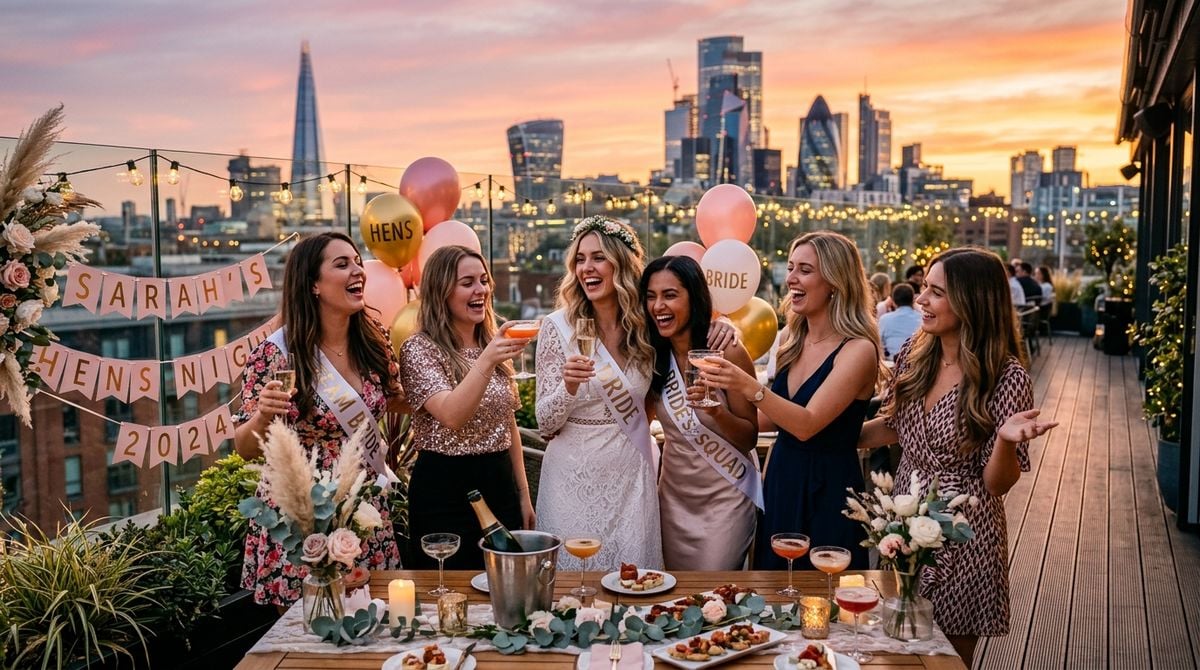
Gathering friends for an evening of friendly arguments is one of the most entertaining ways to celebrate shared passions. Whether your circle lives for intense gaming moments, legendary album releases, or dramatic sports showdowns, everyone carries strong opinions about the media they consume. A pop culture debate night channels that natural enthusiasm into a structured, hilarious, and memorable social gathering.
Instead of letting conversations devolve into chaotic talking over one another, establishing a clear structure gives everyone a fair turn in the spotlight. It transforms casual lounge banter into a theatrical contest of wit, storytelling, and persuasion. With thoughtful planning, you can craft an event where gamers, music buffs, and sports enthusiasts cheer each other on while defending their favorite icons and artistic moments.
Choose Balanced Categories Across Media and Athletics
The secret to keeping every participant invested lies in variety. While some guests may know every detail of classic role-playing games, others might follow athletic rivalries, streaming trends, or contemporary cinema. Building a balanced roster of topics guarantees that each participant finds a subject where they feel confident taking a stand.
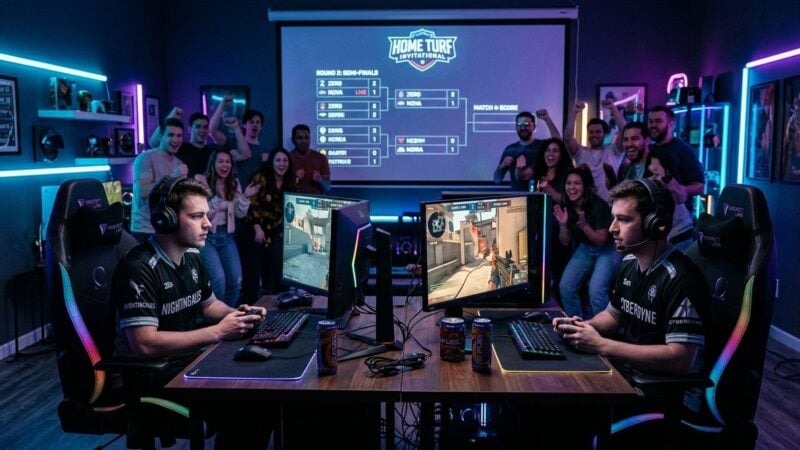
Divide your evening into themed blocks that rotate between diverse entertainment realms. A session on digital gaming could explore which fictional universe offers the best world-building, while an athletic block could challenge players to debate which championship comeback showed the most heart. Interweaving music debates, such as choosing the definitive summer anthem or the most innovative music video, keeps the tempo upbeat and diverse.
To keep the contest moving smoothly, assign different debate styles across the rounds:
- The Head-to-Head Clash: Two speakers take opposing sides on a single question with set time limits.
- The Lightning Defense: Participants draw random lighthearted topics from a bowl and have sixty seconds to convince the room.
- The Panel Deliberation: A small group debates a broader artistic trend while the remaining guests serve as judges.
Source Compelling Topics and Cultural Talking Points
The strength of any debate night rests on the prompts you put before your speakers. If a prompt is too narrow or completely one-sided, the discussion will quickly run out of steam. Aim for subjective questions where reasonable people can arrive at wildly different conclusions based on their own personal tastes and cultural perspectives.
Look for questions that touch on how modern entertainment intersects with broader social trends, public reactions, and shifting media landscapes. When planning topics that explore current media discussions, examining modern opinion pieces and trending reports on regated.com can inspire fresh angles on public dialogue, cultural debates, and current events. Finding issues where public sentiment is divided gives your speakers plenty of room to craft compelling arguments that resonate with the audience.
Encourage participants to look beyond simple preferences and consider cultural influence. Rather than asking which franchise made more noise upon release, prompt your debaters to explore how a particular release changed industry standards or inspired an entire generation of creators. This shift encourages deeper reflection and leads to far more inventive presentations from your debaters.
Ground Arguments with Real Industry Context and Background
While theatrical charisma can win over a crowd, well-supported arguments make a debate truly memorable. Encouraging your friends to weave in authentic details about production histories, performer backgrounds, and career milestones elevates the entire competition. When a speaker knows the backstory behind an athlete or entertainer, their defense carries authentic weight.
Background details can transform a standard debate into a fascinating learning experience for everyone in attendance. When participants explore entertainer journeys, athlete milestones, or lifestyle profiles on Past My Curfew, they can bring practical context about how professional careers evolve and how talent navigates modern fame. These contextual nuggets give claims a solid foundation and allow speakers to surprise the audience with lesser-known facts.
Remind your debaters that delivering facts should always remain accessible and fun. The goal is never to lecture the room, but rather to use surprising details as punchy evidence. A speaker who explains how an athlete overcame a setback or how a creator financed an independent project will consistently captivate the audience more effectively than someone relying solely on volume.
Design an Engaging Atmosphere with Pacing and Audio Cues
The physical environment shapes the mood of your event just as much as the debate prompts. Arrange your seating so that the debaters face the room while keeping sightlines clear for every spectator. Designating a dedicated presentation area with a simple lectern or a designated standing space instantly adds a touch of playful formality.
Audio plays a vital role in managing the pacing and maintaining high energy throughout the evening. Just as you would carefully plan sound design when staging an interactive video game music showcase, using short musical stingers between debate rounds signals transitions and resets the energy of the room. A dramatic brass sound can announce a countdown, while upbeat instrumental beats can accompany speakers as they approach the floor.
Appoint a trusted timekeeper equipped with a clear visual signal to keep the rounds brief and engaging. Limiting opening remarks to two minutes and rebuttals to one minute ensures that the debate remains crisp. When debaters understand that their time is limited, they cut straight to their most compelling points, which prevents long-winded monologues and keeps the audience fully engaged.
Keep Scoring Constructive and Reward Creative Thinking
A successful social debate night depends on keeping the spirit lighthearted and friendly. While points and brackets generate healthy excitement, the ultimate purpose is to share laughs and appreciate diverse perspectives. Establishing clear, fun-focused judging criteria prevents disagreements from turning sour.
Instead of judging solely on conventional logic, invite the room to evaluate rounds across several entertaining dimensions. Consider awarding points for dramatic flair, humorous analogies, and how well a speaker handles an unexpected counterpoint. You can hand out cards to the audience so everyone participates in scoring, or rotate three guest judges for each round so that everyone gets a turn deciding the winner.
Close the evening by acknowledging distinct contributions rather than focusing solely on the grand champion. Handing out informal superlatives, such as the most passionate defense, the most surprising argument, or the best crowd reaction, ensures that multiple players leave feeling recognized.
Organizing a pop culture debate night brings people together around the stories, characters, and cultural moments they cherish. By curating dynamic topics, establishing clear rounds, and focusing on creative fun, you provide a platform where every guest can share their passion. With a welcoming atmosphere and thoughtful preparation, your debate night will quickly become a beloved tradition among your circle of friends.