How to Produce a Weekly Sports and Entertainment Podcast
Sports, video games, music, and screen entertainment overlap constantly in modern leisure culture. Fans who spend their afternoons playing paintball or participating in local recreational leagues often spend their evenings exploring competitive online gaming or discussing the latest soundtrack releases. Starting an independent audio show allows you to explore these passions, connect with like-minded enthusiasts, and share fresh perspectives with an audience that enjoys both active recreation and screen culture.
Producing a weekly podcast requires clear creative direction, consistent research habits, and a sensible workflow. Without a disciplined approach, it is easy to become overwhelmed by technical troubleshooting or run out of interesting ideas after just a few episodes. By establishing reliable research systems, organizing your talking points, and pacing your broadcast carefully, you can build an engaging show that listeners look forward to hearing each week.
Defining a Clear Creative Niche for Your Show
Before setting up audio gear or recording an introductory episode, you need to establish what your show covers and why someone should tune in. A broad conversation about everything happening in pop culture quickly becomes unfocused if there is no core narrative thread tying the subjects together. Instead, identify how your favorite interests intersect. You might focus on the physical and mental stamina required for both competitive sports and gaming, or explore how music drives the pacing of action films and sports highlights.
Defining this identity helps you decide which topics deserve attention and which stories you can safely ignore. When you know your perspective, planning each episode becomes much simpler. You can choose two or three major discussion topics per week, supplemented by a couple of brief commentary notes. This deliberate focus keeps your discussions tight, helps you maintain an authentic voice, and gives prospective listeners an immediate sense of what to expect every time they press play.
Gathering Broad Headlines and Community Happenings
An entertaining commentary show relies on steady, credible information. To build engaging discussions, you need to follow current developments without relying on unsubstantiated rumors or social media speculation. Sourcing broad international news from dependable publications ensures that your opinions are grounded in accurate facts. When tracking large cultural events, international sporting competitions, and major industry developments, reading reliable news coverage through butlerdispatch.com provides objective context that enriches your commentary and helps you speak with authority.
National and international headlines offer plenty of talking points, but great podcasts also connect with grassroots culture. Listeners love hearing about real spaces where people gather to compete, socialize, and enjoy live entertainment. Incorporating local community news into your show gives your broadcast a friendly, down-to-earth tone that sets it apart from generic studio productions.
Look for stories about local venues, regional tournaments, indie concert stages, and neighborhood sports clubs. Browsing event directories like patbigoldmedia.org helps you discover local community happenings, creative spaces, and physical gathering spots that deserve extra attention on your show. Giving a shoutout to regional gatherings or discussing how community spaces foster friendly competition adds warmth and authenticity to your weekly audio catalog.
Structuring Your Weekly Episode for Dynamic Pacing
A well-paced episode keeps listeners interested from the opening greeting to the final farewell. Rather than speaking without direction for an hour, design an outline that organizes your thoughts into distinct, manageable segments. A modular format makes recording easier because you can pause between sections to review your notes or take a brief sip of water.
A proven structure for a weekly sports and leisure show divides the runtime into purposeful segments:
- The Opening Hook: A brief greeting, a fast teaser of the top topics, and a quick personal reflection from your week.
- The Headline Debate: A detailed discussion of the primary story, analyzing its impact on players, fans, or creators.
- The Community Spotlight: A look at local recreational venues, neighborhood tournaments, or interesting cultural gatherings.
- The Weekly Recommendations: Quick, enthusiastic suggestions covering a great game, an upbeat album, or an action-packed movie to check out.
Following an outline prevents rambling and keeps your episodes within a predictable timeframe. When listeners know that your show delivers concise insights in an orderly manner, they can easily fit your episodes into their commutes, workout routines, or weekend chores.
Balancing Content Creation with Active Physical Health
Podcasting is an enjoyable creative outlet, but it also involves sitting at a desk, editing audio files, and staring at screens for extended periods. If you already spend your working hours at a computer and your free time gaming, adding audio production to your schedule can lead to physical stiffness and creative fatigue. Long recording sessions demand vocal energy and mental sharpness, both of which suffer when you neglect your physical well-being.
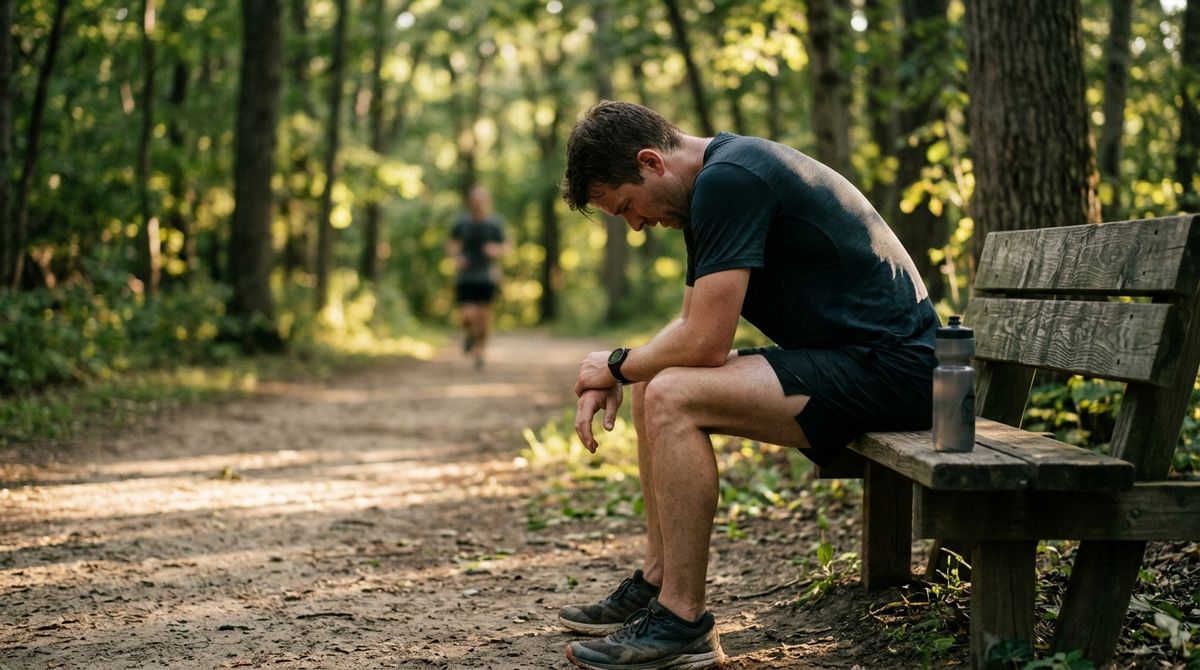
To keep your energy high and protect your enthusiasm for creating content, make physical activity a non-negotiable part of your weekly routine. Stepping away from the editing suite to play a sport, go for a brisk jog, or spend an afternoon playing paintball clears your mind and gives you real-life experiences to discuss behind the microphone. Establishing a balanced media routine for active gamers ensures that your digital hobbies and creative ambitions complement your physical health rather than compromising it.
Schedule your recording and editing blocks with the same care you use when planning workouts or outdoor games. Setting strict boundaries on your editing time prevents you from endlessly tweaking audio tracks late into the night. When your mind and body feel refreshed, your voice sounds more vibrant and your commentary naturally carries greater enthusiasm.
Refining Audio Quality and Cultivating Listener Interaction
Listeners appreciate good audio quality, but you do not need an expensive commercial recording space to produce a clean, pleasant sound. Most common audio problems come from room reflections and poor microphone habits rather than budget equipment. Recording in a carpeted room with soft furnishings, keeping your microphone close to your mouth, and using a simple pop filter can eliminate harsh breath noises and hollow room echoes.
Once your technical setup is consistent, focus on building a genuine relationship with your audience. Encourage listeners to send in questions about their favorite sports, recommend indie games, or share details about local cultural events happening in their hometowns. Answering listener questions on air turns a one-way monologue into an inviting community conversation, turning casual listeners into dedicated supporters who return every week.
Building a successful weekly podcast is an ongoing journey of learning and creative expression. By grounding your discussions in dependable reporting, celebrating local cultural hubs, and maintaining an active, balanced lifestyle, you create a show that feels both informative and refreshingly grounded. Set a realistic production rhythm, stay curious about the world around you, and enjoy the process of sharing your unique perspective with your audience.