Creative Trivia and Story Nights for Sports and Gaming Teams
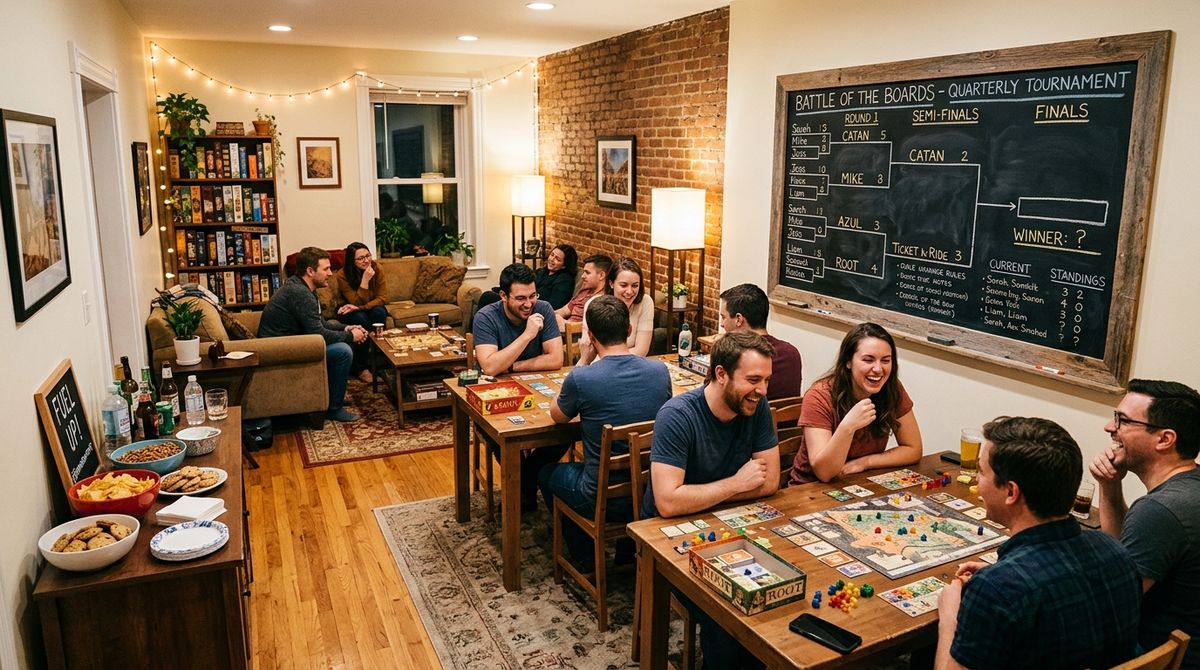
Competitive teams, gaming squads, and musical ensembles often spend hours together under pressure. Whether reviewing tactical gameplay, practicing complex stage transitions, or running fast-paced drills on the field, the shared focus remains intense. While structured practice builds technical ability, it can occasionally lead to routine fatigue. Gathering your teammates for an evening that focuses purely on curiosity, laughter, and collaborative problem-solving offers a refreshing balance that strengthens interpersonal bonds.
Hosting an interactive trivia and storytelling night gives everyone an equal platform away from their usual performance roles. A competitive gamer might discover a shared passion for unusual history with an outdoor athlete, while a music producer might shine at unraveling quirky world mysteries. Setting aside dedicated evenings for social exploration revitalizes the group dynamic and keeps everyone enthusiastic about collaborating across future projects.
Why Social Game Nights Benefit High-Focus Groups
When individuals spend long hours mastering physical movements, refining reflexes, or memorizing musical patterns, their minds process repetitive stress. Stepping away from the main arena allows the nervous system to relax while keeping the imagination active. Social games encourage lateral thinking, where participants connect disparate concepts without the anxiety of victory or defeat hanging over them. This mental variety helps restore enthusiasm for upcoming training sessions.
These low-stakes gatherings also break down hidden social hierarchies that can quietly form within competitive teams. In high-stakes matches or ensemble rehearsals, experienced leaders naturally dominate communication. During a friendly trivia or narrative game night, however, niche personal knowledge and creative humor take center stage. This allows quieter group members to share insights and build genuine confidence that carries over into team communication.
Curating Surprising Trivia and World Lore
The secret to a memorable trivia session lies in avoiding standard, dry academic questions. Instead of testing who memorized dates from a history textbook, focus on astonishing oddities, unusual geographical phenomena, and bizarre cultural traditions. When a question prompts genuine curiosity, team members naturally start debating, laughing, and working together to guess the answer. Curiosity creates an inviting atmosphere where getting the answer wrong can be just as entertaining as getting it right.
Finding fresh material requires looking beyond ordinary quiz sheets. When planning unique question rounds that spark immediate wonder, visiting Fact City offers an accessible way to discover captivating trivia about nature, historical quirks, and global phenomena. Integrating unexpected details about deep-sea creatures, eccentric inventions, or ancient landmarks ensures that the challenge feels like a shared journey of discovery rather than an exam.
To keep things balanced, organize questions into distinct thematic categories. You can feature a round dedicated to bizarre animal behaviors, another exploring strange food traditions across continents, and a lightning round highlighting unusual athletic records or vintage entertainment trivia. Mixing up formats ensures that every participant, regardless of their daily hobbies, finds at least one category where they can contribute meaningfully.
Designing Engaging Storytelling and Narrative Challenges
While trivia challenges recall and logic, storytelling rounds engage empathy, spontaneous expression, and humor. Narrative challenges require teammates to build imaginary tales together, solve humorous fictional dilemmas, or share lighthearted personal anecdotes. This balance keeps the evening dynamic and prevents mental fatigue from purely analytical questions. Creative expression allows performers to connect on a personal level that rigid practice sessions rarely permit.
Developing imaginative narrative prompts works best when you draw inspiration from human experiences, entertaining trends, and diverse everyday chronicles. Checking out lifestyle hubs such as mazapoint.net provides hosts with an abundance of engaging lifestyle stories and conversational ideas that translate smoothly into round prompts. You can borrow narrative themes from everyday adventures, cultural customs, or curious human behaviors to construct imaginative warm-up prompts.
One simple storytelling format involves collaborative scene-building. Give a pair of teammates an unusual opening sentence and three random objects, then challenge them to weave a two-minute tale that ties everything together. Another popular activity is the alternate history round, where players propose hilarious theories about how modern life would look if everyday inventions, such as bicycles or headphones, had never been created.
Structuring the Evening for Maximum Fun and Flow
A great social evening feels seamless, but achieving that natural flow requires a clear plan. Without structure, trivia nights can drag on, causing participants to lose momentum. Aim for an event that lasts between two and three hours, allowing plenty of time for conversation between challenges while keeping the pace lively. Having a designated host who guides the transitions prevents awkward pauses and keeps everyone engaged.
To keep the session running smoothly from start to finish, follow these fundamental hosting steps:
- Welcome guests with casual mingling and light refreshments to ease everyone into the space.
- Run a quick five-minute icebreaker challenge to wake up cognitive reflexes and warm up voices.
- Present two structured trivia rounds separated by a brief interlude for refilling drinks.
- Transition into interactive storytelling games where participants collaborate in small pairs.
- Conclude with a relaxed wrap-up round where points are totaled and favorite moments are revisited.
Keeping energy high throughout multiple rounds also depends on how you fuel the gathering. High-sugar snacks often lead to quick energy spikes followed by mental fog, which can derail sharp thinking during narrative and trivia games. Applying the principles of smart daily nutrition for active performers helps you prepare balanced snack platters featuring nuts, fresh fruit, whole grains, and hydrating beverages that maintain steady cognitive stamina all evening.
Managing Group Dynamics and Inclusive Play
Ensuring that every attendee feels comfortable is the host’s most crucial responsibility. In any diverse group of gamers, musicians, and sports enthusiasts, personality types will range from boisterous and competitive to reflective and reserved. Be intentional about pairing team members who do not frequently collaborate during normal practice schedules. This intentional pairing encourages fresh conversations and helps dismantle existing cliques.
Rotate partnerships halfway through the evening so individuals interact with multiple peers in a low-pressure environment. Keep scorekeeping lighthearted rather than strictly competitive. Rewarding unconventional answers, creative storytelling twists, and outstanding team support alongside correct trivia answers ensures that the focus remains on connection rather than winning. When participants realize that humor is valued just as much as factual accuracy, participation flourishes.
Investing regular time into shared trivia and storytelling sessions transforms individual performers into a cohesive, resilient community. By stepping away from technical drills and engaging the imagination through fascinating world lore and creative narratives, teams build mutual respect and spontaneous communication skills. These relaxed evenings remind everyone that the strongest team bonds are forged through shared laughter, curiosity, and genuine camaraderie.