Enhancing Your Home Media Room with Smart Acoustic Decor
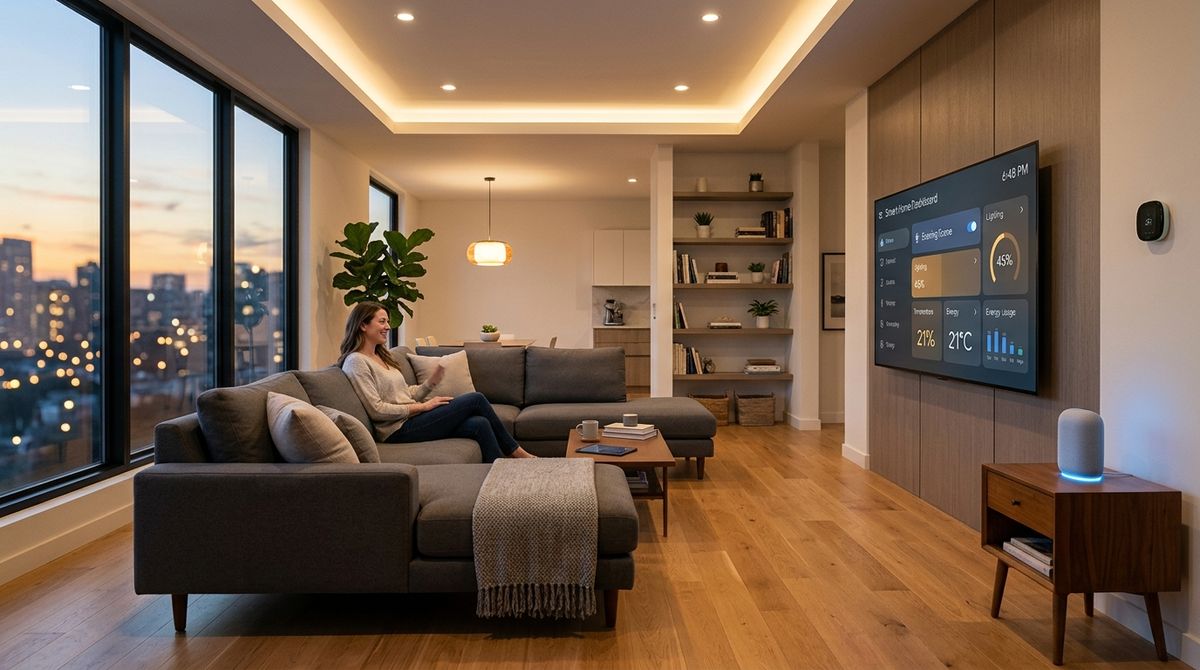
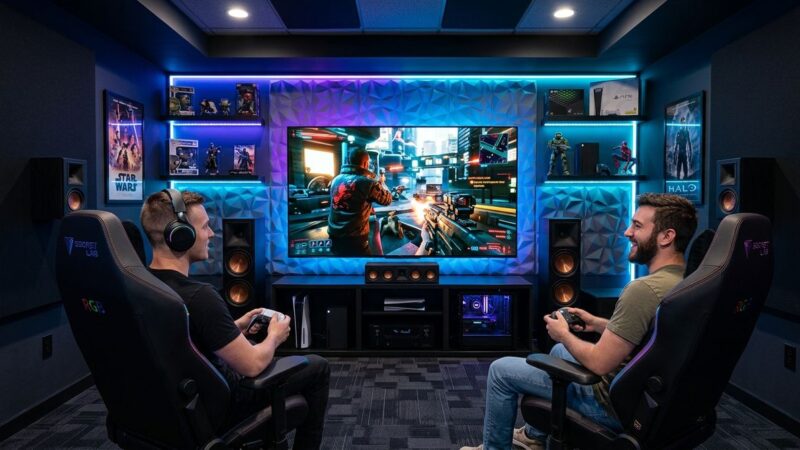
Creating a dedicated space for gaming, music, or entertainment requires more than just high-quality equipment. The environment itself plays a crucial role in how you experience sound and how comfortably you can spend time in the room. Many people focus entirely on electronics, but the physical characteristics of the room can either amplify your enjoyment or create unnecessary frustration. Addressing sound quality through intentional decor choices can transform a standard room into a truly immersive sanctuary.
Managing acoustics does not mean your space has to look like a professional studio. By incorporating thoughtful design elements, you can achieve a balance between functionality and personal style. This approach ensures that your media area remains a welcoming part of your home while simultaneously improving the clarity of your audio and reducing distractions from outside or within the house.
Planning Your Acoustic Layout
Before buying any materials or making major changes, take time to observe how sound behaves in your room. Different surfaces reflect or absorb sound in various ways. Hard, flat surfaces like drywall, hardwood floors, and glass windows often cause sound to bounce around, leading to echoes that can make dialogue difficult to understand or music sound muddy. Identifying these reflection points is the first step toward a better listening experience.
Start by walking through your space and clapping your hands or speaking aloud to hear how the room responds. You will likely notice that certain areas, such as the corners or the space directly between speakers, create more resonance than others. Mapping these areas helps you decide where to place soft furnishings that can absorb sound waves. You do not need complex equipment to perform this assessment; your ears are often enough to determine where sound builds up and causes issues.
Consider the following practical steps to begin organizing your acoustic layout effectively:
- Clear the space of unnecessary items to understand the room’s baseline acoustics.
- Identify large, flat, hard surfaces that are likely to cause the most reflection.
- Determine the primary seating position to align your acoustic improvements around that focal point.
- Decide which areas require the most focus based on the primary use of the room, such as gaming versus critical music listening.
- Draft a simple plan to see where curtains, rugs, or wall hangings can be placed strategically.
Choosing Functional Decor Elements
Once you have identified the reflection points, you can choose decor that serves both an aesthetic purpose and an acoustic function. Soft materials are your best tools here. Instead of just adding standard wall art, look for pieces that have texture or depth, which helps diffuse sound waves rather than reflecting them directly back at you. Fabric wall panels, canvas art with internal padding, or even tapestries can significantly change how sound behaves in the room.
Flooring is another major consideration. If you have hard floors, covering them with a thick rug is one of the most effective ways to dampen sound. Rugs act as a sponge for noise that would otherwise bounce between the floor and the ceiling. Pair the rug with a high-quality pad underneath to add density. Similarly, window treatments are essential. Heavy, drapes can block outside noise and prevent sound from bouncing off the glass, providing a significant improvement in audio clarity.
Balancing Style and Performance
The goal is to integrate these elements so they do not feel out of place. It is easy to overdo acoustic treatments, but a balanced room feels natural and inviting. Your media zone should reflect your personality, and acoustic decor can be a great way to showcase your tastes. For inspiration on how to blend these functional elements into a broader design scheme, you might look at resources like Groliehome to see how textures and colors can improve a living area while keeping it stylish.
Think about color palettes and material textures that complement your existing furniture. If your room is bright and modern, choose acoustic panels in neutral tones or geometric patterns. If you prefer a cozy, rustic feel, fabric-wrapped panels in warm, earthy colors or soft, woven wall hangings can blend seamlessly with your decor. The key is to select items that you genuinely like, as you will be spending a lot of time in this space.
Continuous Refinement of Your Space
Acoustic design is rarely finished in one afternoon. As you spend more time in your media room, you may find that certain adjustments are necessary. Perhaps the sound is still too sharp, or a particular corner still has too much echo. This is normal, and it is part of the process of tailoring the space to your specific needs. When you are looking for guidance on refining your personal projects or understanding the importance of iteration, rough-draft.net offers a helpful perspective on how constant development can lead to better outcomes.
Do not be afraid to move items around. Sometimes, shifting a bookshelf or adding a decorative cushion to a specific chair can change the sound significantly. Treat the process as an experiment. Listen to your favorite music or engage in your preferred gaming activity, and pay attention to how the space feels. If something feels off, try adjusting the position of your decor. Small, incremental changes are often more effective than drastic, expensive overhauls.
Maintaining Your Media Sanctuary
Once your room is set up, keep it tidy to ensure it remains a place where you want to spend time. Dust and debris can settle on soft surfaces, so regular maintenance is important to keep the air fresh and your acoustic materials clean. Simple habits, such as vacuuming rugs and gently brushing off fabric wall hangings, will keep your media room in great condition for a long time.
Before diving into complex sound dampening, you should focus on the foundation of your room, which is often discussed when optimizing ergonomic comfort for gaming and music to ensure your body is supported while you spend long hours working or playing. A well-organized, comfortable, and acoustically managed room will enhance your enjoyment and allow you to fully immerse yourself in your favorite entertainment. By taking a thoughtful approach to your environment, you create a space that feels personal, functional, and truly your own.