A Friendly Gaming Schedule for Teenagers Who Push Back
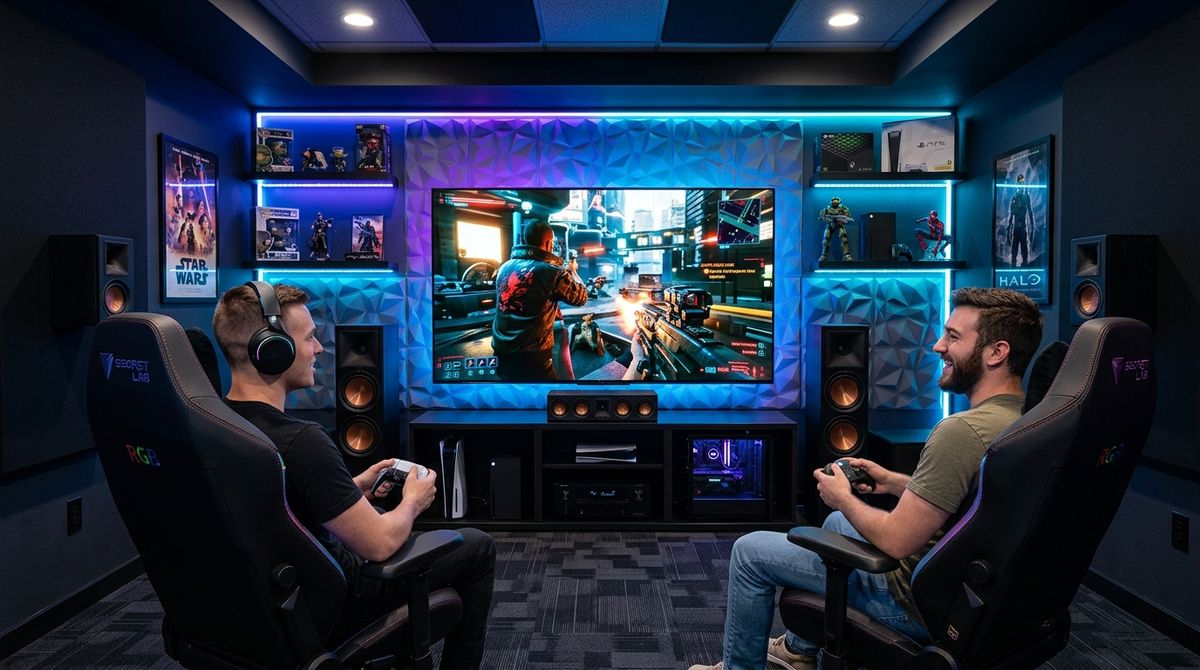
Many parents want to set limits on video game time, yet a rule handed down without discussion often sparks an argument. Teenagers usually respond better when they help shape the plan. A friendly schedule works because it respects their interests, sets clear boundaries and offers a fair way to adjust when life changes. The aim is not to ban gaming but to make it fit comfortably alongside school, sleep, family time and friendships.
Begin with a calm conversation rather than a list of demands. Ask what games your teenager enjoys, when they usually play and what they find most satisfying about them. These answers help you understand the situation and show that you take their interests seriously.
Agreeing on the goals first
Before you talk about times, agree on the purpose of the schedule. Most families want gaming to happen after homework, to protect sleep and to leave room for meals and conversation. Write these goals down together. When the goals are shared, the timetable feels like a plan you both support rather than a punishment.
Explain your own concerns clearly and briefly. For example, you might say that you want the evening to feel calm and that you worry about tired mornings. Listen to the response and be willing to adjust the plan if the teenager makes a sensible point.
Building the weekly plan
A friendly plan usually has three parts: school days, weekends and special occasions. On school days, gaming might begin after homework is finished and end at a fixed time before the house settles for the night. At weekends, the rules can be more relaxed, although a clear finishing time still helps. Special occasions, such as exam weeks or family events, need a short note in the plan so that everyone knows the rule is temporarily different.
Keep the plan on a visible board or a shared note. A simple format is easier to remember than a long document, and it reduces the number of arguments about what was agreed.
Using timers and warnings
Sudden stops can cause frustration, especially in the middle of a match or a team game. Set a timer that gives a warning five minutes before the end. This allows your teenager to reach a natural break and save progress. Many families also agree that the teenager chooses when to finish within the allowed window, which builds responsibility.
Avoid switching the console or device off in the middle of a session without warning. A short, predictable routine feels fairer and leads to fewer disputes.
Making room for other activities
A healthy schedule protects time for sport, friends, reading, creative hobbies and rest. Ask your teenager to list the activities they value, and make sure the gaming plan does not crowd them out. If a friend invites them out, discuss whether gaming can shift to another time that week.
Sleep deserves special attention. Late-night play can disrupt sleep patterns and make school harder. Agree on a time when screens are switched off, and encourage a calm routine before bed, such as reading or a short walk.
Readers may also want to visit Monotukuru. Choose suggestions that match your family’s values, because no single model fits every household. You can also visit advanceautocars.com for more reading. For a related read on this site, see Caring for an Instrument at Home: Routine Habits. With patience and shared goals, a friendly schedule can make gaming a relaxed part of family life rather than a constant source of conflict.
Handling disagreements calmly
Disagreements will happen, and that is normal. When they do, return to the shared goals and the written plan. Ask what has changed and whether the plan still fits. If the teenager is struggling with schoolwork, the schedule may need a temporary adjustment. If they are simply testing the limits, a calm reminder of the agreement usually works better than a heated debate.
Avoid using gaming as a reward or punishment for unrelated behaviour, because this can make the activity feel like a bargaining chip. A consistent approach helps teenagers trust the process.