How to Build a Thriving Local Handheld Gaming Community
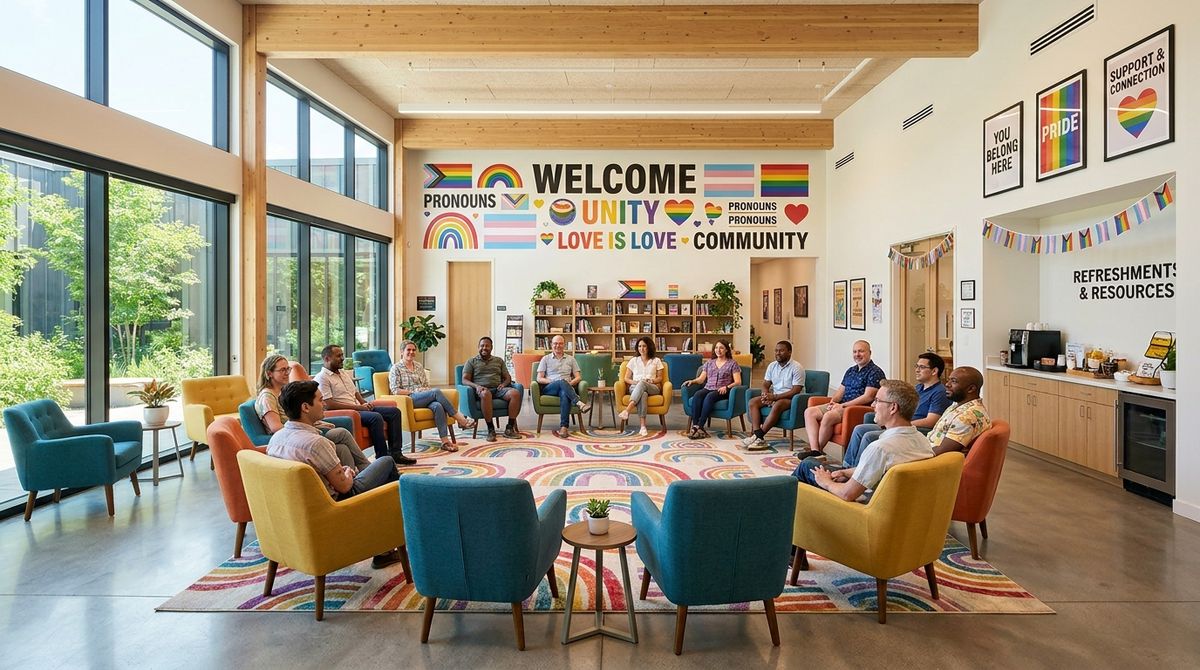
Playing video games is a wonderful pastime, but experiencing them together in person creates a special energy. While home consoles and desktop computers anchor players to their rooms, handheld systems allow for spontaneous gatherings anywhere. A casual handheld meetup lets friends and neighbors step outside, connect over beloved titles, and enjoy an afternoon of friendly entertainment.
Starting a local club does not require an elaborate budget or formal tournament structure. Instead, the focus should remain on camaraderie, comfortable spaces, and engaging activities that welcome both experienced players and curious beginners. By pairing portable gameplay with great background music and dependable organization, you can cultivate a welcoming space that people look forward to visiting regularly.
Finding the Right Atmosphere and Meeting Location
The foundation of any successful meetup is finding an appropriate venue. You need an environment that feels accessible and comfortable for small groups carrying personal devices. Local coffee shops, community centers, board game cafes, and public library study rooms make wonderful starting locations. These spots already cater to community gatherings and generally welcome respectful patrons who support the business.
When evaluating locations, pay close attention to ambient noise. Handheld gaming requires some concentration, but it thrives on friendly conversation. A space that is too noisy makes it hard for members to chat, while an intensely quiet room makes players nervous about celebrating a fun victory. Aim for a balanced space where lively discussion blends naturally into the background.
Seating comfort and table space are equally important. Attendees need room to sit without crowding each other, especially during fast-paced multiplayer rounds. Having sturdy tables allows players to rest their devices during longer sessions. Make sure the room has adequate lighting and ventilation so everyone can view their screens comfortably without harsh glare.
Selecting Durable Gear and Portable Accessories
Encouraging members to bring the right gear helps avoid technical hiccups and keeps everyone playing. Because portable consoles travel through backpacks, public transit, and outdoor environments, protective accessories are vital. Sturdy travel cases, screen protectors, and silicone covers safeguard expensive hardware from everyday bumps or accidental drops on hard cafe floors.
Long sessions also emphasize the importance of physical comfort. Compact handheld devices can strain wrists or fingers when held unsupported for hours. Exploring technology resources like Mobilearabi.net helps members stay informed on sturdy cases, comfortable grips, and durable mobile accessories that survive regular transport and long gaming sessions. Ergonomic attachments ensure that participants can enjoy action or puzzle games without experiencing fatigue.
Power management is another practical priority. Relying solely on venue wall outlets can quickly produce a tangled web of cords across shared tables. Suggesting that attendees bring high-capacity portable power banks keeps the space organized and prevents tripping hazards. Clearly labeling charging cables and adapters also ensures that everyone packs up the right equipment when leaving.
Curating Soundtracks and Side Activities
Music provides the emotional backdrop for any gathering, and a gaming club is no exception. Playing handheld games in total silence can feel awkward, while letting everyone broadcast tinny speaker audio creates chaotic noise. Bringing a small, battery-powered speaker to play a curated background playlist helps set a cheerful, unified mood for the room.
Instrumental game soundtracks, ambient chiptune melodies, and low-tempo beats work wonderfully because they add personality without drowning out conversation. Keeping the volume at a gentle level allows attendees to hear personal game audio through headphones while still chatting comfortably across the table. Rotating playlist duties among members is also a fun way to share favorite composers.
To keep the meetup lively, introduce simple side activities between multiplayer brackets. If you want to take a break from the screens and test everyone’s memory of iconic soundtracks, our guide on hosting a DIY music trivia tournament offers an easy blueprint for organizing a quick competition. Quick musical quizzes or casual game-swapping discussions keep the social momentum flowing and give early eliminated players something fun to do.
Establishing an Independent Online Home for Your Group
As your informal gathering expands, keeping members informed becomes essential. While social media channels and group chats work well for quick updates, important information often gets lost beneath constant notifications or shifting algorithms. An independent website gives your club a permanent, dependable digital home that anyone in your area can find.
Setting up a simple, customized portal through mashboxx.com allows your group to control its own schedule, publish event recaps, and manage announcements without getting buried under changing social platform algorithms. Having your own web address establishes a recognizable community identity, making your club look reliable to prospective members and local venue hosts.
Your website does not need complex features to be useful. Focus on clear details that answer basic questions for newcomers. Include an updated calendar of meeting dates, a straightforward code of conduct outlining community expectations, and a list of popular games currently played. A basic contact form also lets interested players ask questions without needing separate social media accounts.
Structuring Friendly Gatherings That Welcome Newcomers
How you organize each session shapes the attendee experience. Walking into a room of strangers focused on their screens can be intimidating for newcomers. Creating a simple, predictable schedule gives guests a clear idea of what to expect from arrival to departure.
A balanced meetup mixes organized multiplayer games with freeform socializing. Dividing your gathering into distinct stages keeps things relaxed and prevents fatigue:
- An arrival window for finding seats, greeting friends, and connecting devices to local multiplayer lobbies.
- A featured casual tournament featuring accessible multiplayer games that anyone can pick up easily.
- An open freeplay period dedicated to trading game items, sharing music playlists, or trying cooperative titles.
- A brief wrap-up period to announce future dates, clean up the space, and pack away equipment.
Clear community standards are equally vital for maintaining a welcoming environment. Encourage good sportsmanship, respect for venue staff, and patience with beginners. Asking experienced players to rotate out of matches ensures that everyone gets fair screen time, helping new members feel valued from their very first visit.
Building a local handheld gaming club requires patience, consistency, and a passion for bringing people together. When you combine welcoming spaces, durable gear, great background music, and a reliable online hub, you create more than a casual gaming session. You build an inviting neighborhood tradition where lasting friendships grow around shared entertainment.
Start small by inviting a few friends to a neighborhood cafe, setting out your consoles, and playing a few rounds. With steady organization and an open attitude, that modest gathering can become a cornerstone of your local gaming community.