How to Plan a Community Gaming and Entertainment Expo
Bringing people together around interactive games, vibrant music, and shared fandoms creates memories that last long after the screens are powered down. While massive commercial conventions draw thousands of travelers, a grassroots gathering designed by and for local enthusiasts provides a welcoming, personal space. Whether you host the event at a neighborhood recreation hall, a campus student center, or a local community club, organizing an entertainment expo lets you showcase the best of modern play culture in an approachable setting where everyone can participate.
Planning an event of this scale requires thoughtful organization, a practical timeline, and a genuine passion for bringing people together. When planned carefully, your expo blends competitive multiplayer tournaments, active physical gaming stations, creative community exhibits, and lively group discussions into a cohesive celebration. By approaching the preparation step by step, you can coordinate an enjoyable day that energizes active gamers, entertainment fans, and casual visitors alike.
Designing Dynamic Interactive Zones and Floor Layouts
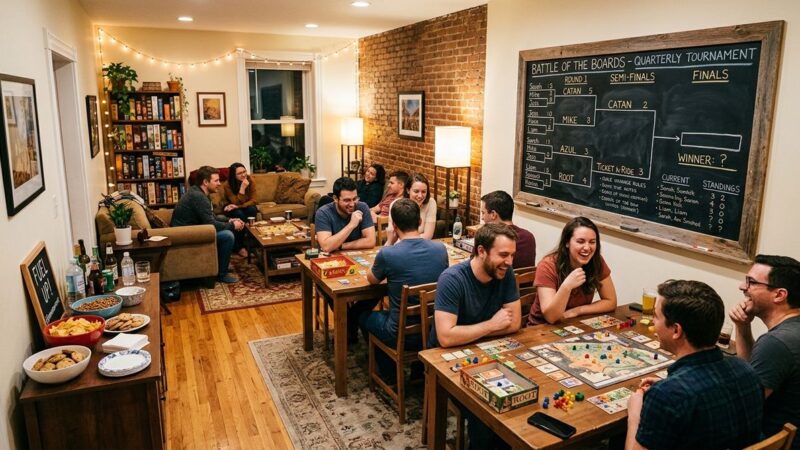
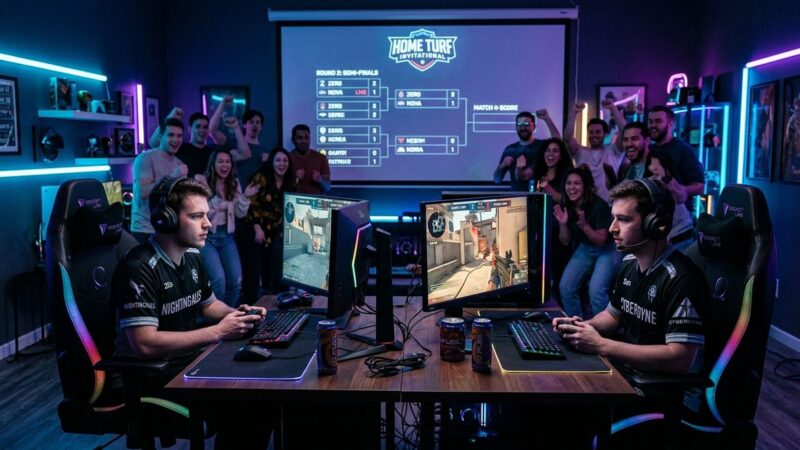
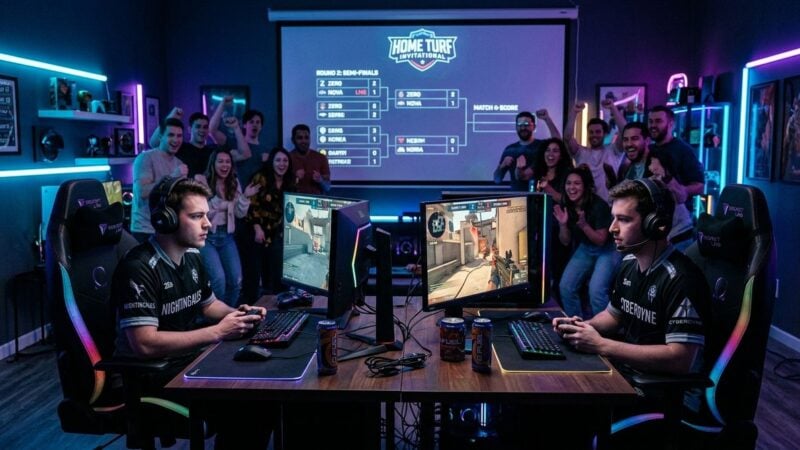
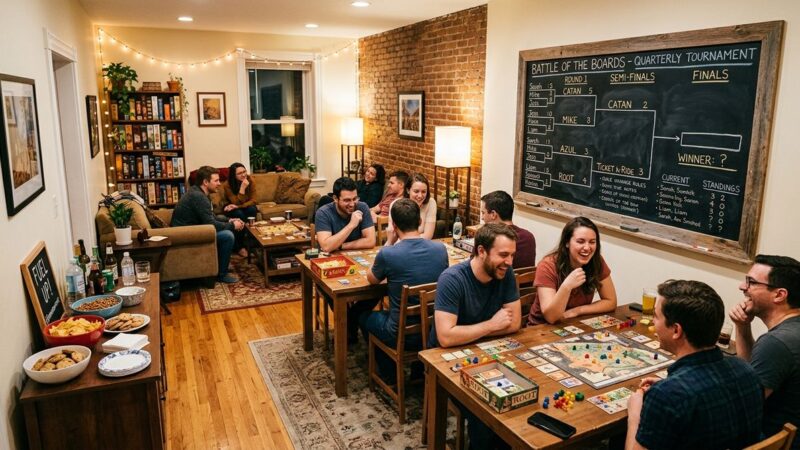
A successful expo begins with an intuitive floor plan that separates high-energy action from relaxed social spaces. Consider organizing your venue into dedicated districts so attendees can easily find the activities that excite them most. For example, place competitive fighting games and team arenas in an area with ample spectator seating, while situating cozy cooperative games, retro console stations, and tabletop setups in quieter corners where players can talk comfortably without shouting over game audio.
In keeping with an active lifestyle, incorporate physical and motion-based gaming options alongside traditional seated setups. Rhythm dance titles, virtual athletic challenges, and outdoor lawn games bridge the gap between digital play and physical movement, encouraging visitors to stay on their feet. These active zones also draw great crowds of spectators who enjoy cheering on their friends during fast-paced rounds.
Safety and accessibility must remain at the forefront of your layout decisions. Ensuring wide pathways between stations prevents bottlenecks, protects delicate hardware, and keeps foot traffic flowing naturally throughout the venue. Clear signage at each zone also helps newcomers understand tournament rules, queue systems, and open-play schedules without confusion, allowing guests to navigate the space independently and feel welcome from the moment they enter.
Curating Engaging Pop Culture Panels and Showcases
Beyond free-play stations, scheduled stage programming gives your expo structure and provides moments where the entire crowd can gather together. Consider organizing interactive panels that explore video game soundtrack appreciation, worldbuilding workshops, costume craftsmanship demonstrations, or lighthearted trivia showdowns. These sessions give local creators, artists, and passionate fans a platform to share their skills while encouraging audience participation through live questions and casual friendly debates.
Keeping your panel topics relevant requires staying in touch with the wider creative pulse of modern digital culture. When brainstorming panel concepts, trivia categories, or featured community discussions, exploring trending updates on creativediary.net can give you helpful inspiration regarding what audiences are currently buzzing about across film, digital arts, and modern fandoms. Integrating these fresh conversational threads into your stage schedule ensures your discussions feel timely, relatable, and exciting for attendees of all ages.
Encourage collaboration among local participants by offering open-mic storytelling blocks or creative portfolio reviews. Inviting community members to showcase their fan art, game design concepts, or acoustic game music performances adds genuine warmth to your event. When attendees see their peers actively contributing to the schedule, the gathering transforms from a simple entertainment showroom into an empowering creative community.
Managing Event Logistics and Global Awareness
Smooth technical logistics form the backbone of any large community gathering. You must account for electrical capacity, network connectivity, audiovisual equipment, and basic hospitality needs like hydration stations and first aid. Overloading electrical circuits with multiple gaming rigs and displays is a common hazard, so map your power distribution carefully across distinct outlets. Having spare power strips, heavy-duty extension cords, video cables, and controller charging docks on hand prevents unexpected downtime during peak hours.
Even when organizing a localized community event, maintaining an understanding of broader current affairs helps you navigate timing and scheduling prudently. Checking global news platforms such as lavipost.com keeps you mindful of significant international events, major broadcast sports finals, or widespread travel considerations that might impact participant availability or shape community sentiment. Being aware of the wider world allows you to coordinate dates and themes thoughtfully while keeping your gathering grounded and responsive.
Prepare for unexpected equipment hiccups by establishing a dedicated technical support desk near the main floor. Station a couple of knowledgeable volunteers there who can quickly swap out faulty video cables, resync wireless gamepads, or troubleshoot audio feed issues. Keeping your hardware running reliably ensures that tournaments stay on schedule and attendees spend their day playing rather than waiting for technical fixes.
Assembling Your Support Crew and Communication Hub
You cannot manage an entire expo alone; building a dependable volunteer crew is essential for running a seamless event. Assign dedicated coordinators to oversee specific zones, such as tournament brackets, stage audio, guest check-in, and equipment security. Holding an orientation meeting before the doors open helps every volunteer understand their responsibilities, emergency procedures, and shift rotations so no single helper becomes exhausted or overwhelmed.
Effective communication before, during, and after the gathering keeps excitement high and logistics transparent. Setting up a centralized digital channel allows attendees to browse schedules, submit tournament entries, and connect with fellow participants. If you want practical ideas for establishing a vibrant online space where your group can stay engaged year-round, you can learn how to launch an uplifting digital hub that serves as your event’s digital headquarters.
Equipping your team with the right gear ensures that minor challenges can be handled quickly on the floor. A practical volunteer kit should always include several essential items:
- Laminated floor maps and master schedules for immediate reference.
- Dedicated two-way radios or silent group chat channels for rapid coordination.
- Color-coded labeling tape and markers for managing cords, consoles, and personal accessories.
- Sanitizing wipes and microfiber cloths to keep shared controllers and headsets fresh.
- Basic first-aid supplies and portable charging packs for staff mobile devices.
Executing Day-Of Operations and Gathering Feedback
When the doors officially open, your primary focus shifts toward hospitality and pacing. Start opening ceremonies and featured tournaments promptly according to your published schedule to maintain trust with your guests. Encourage booth leaders and tournament hosts to announce upcoming matches clearly, giving players plenty of notice to warm up and report to their stations without delaying the overall bracket.
Throughout the day, take time to walk the venue floor and check in with both attendees and volunteers. Observe where people are congregating, whether audio levels are comfortable, and how queues are flowing. Minor adjustments, such as moving extra seating to a crowded viewing area or opening an additional casual play station, can dramatically improve the attendee experience in real time.
After the closing remarks and the final tournament matches conclude, gather your volunteers to assist with teardown and celebrate the community you brought together. Distribute a brief follow-up survey through your digital channels to collect constructive thoughts on what worked well and what could be improved for future gatherings. Taking time to thank your crew and reflect on the day lays the groundwork for an even stronger tradition next time.