How to Plan an Immersive Action Movie Marathon at Home
Gathering friends for an extended movie session is one of the most rewarding ways to spend a weekend afternoon or evening. While watching a single film often feels like an everyday routine, a curated marathon transforms the gathering into a memorable shared event filled with excitement, lively debates, and collective reactions to dramatic stunts. Planning an action-heavy marathon requires a bit more intentional thought than simply pressing play on random streaming titles. Because high-octane films demand intense sensory attention, an effective host must carefully balance visual excitement with guest comfort, physical movement, and social momentum.
A successful marathon hinges on thoughtful preparation. From establishing an engaging thematic thread to dialing in your sound setup and keeping snacks mess-free, every element contributes to an immersive experience. When you approach your event with an eye for pacing, you ensure that your guests stay energized from the opening credits of the first title to the final showdown of the evening.
Selecting a Cohesive Cinematic Theme
The strongest movie marathons revolve around a shared thread rather than arbitrary choices. Rather than picking unrelated blockbusters from different eras, try grouping films by specific directorial styles, legendary stunt choreography, or distinct sub-genres such as tactical espionage, martial arts epics, or classic car chases. A shared motif gives the gathering an intentional identity, sets expectations for the night, and helps attendees settle comfortably into a specific cinematic mood.
Curating an unexpected lineup often requires looking beyond mainstream franchise sequels that everyone has already memorized. If your group loved a specific modern thriller known for clean stunt work and relentless momentum, explore thematic companions that feature similar staging and pacing. Browsing curated film guides on Similar Times can help you uncover overlooked gems and creative action titles that share tonal DNA with your group’s favorites. Finding thematic parallels ensures that each subsequent title builds naturally on the excitement of the previous film.
Limit your marathon to two or three feature-length films. While the idea of watching four or five titles in a row sounds heroic on paper, sensory overload sets in quickly when dealing with explosions, car chases, and relentless sound mixes. A tightly curated pair or trio leaves everyone wanting more rather than checking the clock midway through an exhausting third act.
Optimizing the Room Setup and Hardware
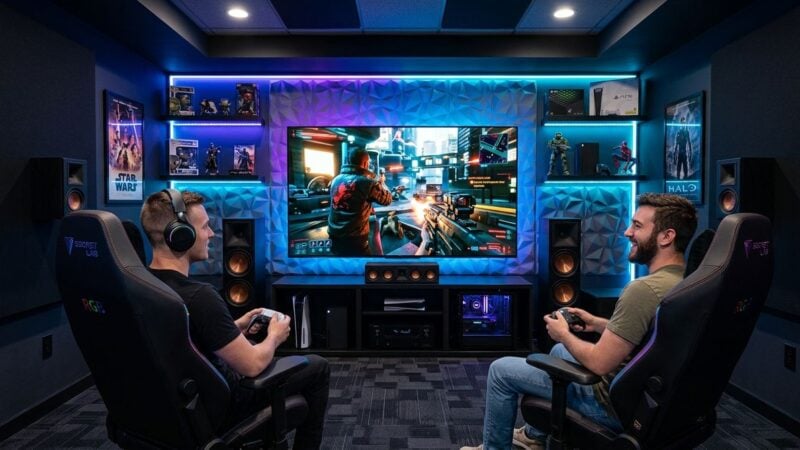
Visuals and audio define the visceral impact of action filmmaking. In a typical home living room, a few thoughtful adjustments to your viewing environment can dramatically improve sensory immersion without requiring an expensive commercial cinema setup. Start by addressing ambient lighting in the room. Drawing thick blinds, turning off harsh overhead fixtures, and relying on subtle bias lighting behind your display screen significantly reduces reflections while preventing eye fatigue during prolonged viewing.
Audio delivery deserves equal consideration. Modern sound mixes frequently bury spoken dialogue beneath heavy bass and loud special effects, forcing viewers to constantly adjust the remote. Calibrating your audio equipment, centering the dialogue channel, and elevating satellite speakers toward ear level can make a substantial difference. If you are looking to upgrade cords, seating cushions, or compact soundbars to enhance your living room setup, consulting consumer guides on shaftdeals.com helps you identify reliable accessories and practical hardware that deliver genuine value.
Do not overlook physical comfort when preparing your space. Extended seated sessions can quickly become fatiguing on stiff or poorly cushioned furniture. Arrange seating so that every attendee enjoys an unobstructed line of sight to the screen, provide plenty of supportive throw pillows and soft blankets, and ensure clear pathways across the room so guests can step away easily without interrupting the view of others.
Structuring the Schedule to Prevent Screen Fatigue
The pacing of the event itself matters just as much as the pacing on screen. Diving straight into loud action sequences without a buffer can leave your guests feeling overwhelmed. Build an intentional timeline that respects attention spans, schedules breathing room between screenings, and accounts for natural social interaction.
Use a reliable framework to map out your marathon timeline:
- Schedule an arrival window before the first screening so guests can settle in and chat.
- Feature your most demanding or fast-paced film in the middle of the lineup when energy is highest.
- Include a generous intermission between films to encourage movement, conversation, and fresh air.
- Keep the final film slightly shorter or lighter in tone to wrap up the night smoothly.
Sticking to a schedule does not mean running your gathering with rigid discipline. Instead, having a clear roadmap simply removes awkward lulls and lets the host manage the flow effortlessly. Guests appreciate knowing roughly when meal breaks will happen so they can plan their attention accordingly.
Planning Practical Refreshments for Dim Rooms
Food and drinks during a movie marathon serve two roles: keeping guests fueled and avoiding disruptions. Because movie watching takes place in lower lighting, serving complicated meals that require forks, knives, or intense attention can lead to spills and distracted viewers. The best marathon foods are bite-sized, dry to the touch, and easy to consume while keeping eyes locked on the screen.
Avoid excessively noisy packaging like crinkly foil bags or hard plastic shells. Transfer snacks into soft bowls or silicone containers before guests arrive. Setting up a dedicated refreshment station slightly away from the main seating area also encourages people to stand up and stretch their legs during brief pauses rather than hoarding snacks on the sofa table.
Hydration is equally critical during long indoor entertainment sessions where saltier snacks are common. Offer plenty of chilled water alongside carbonated drinks, iced teas, or themed mocktails. Supplying labeled cups, distinct colored glasses, or reusable bottles prevents mix-ups in dim lighting, keeps guests feeling refreshed, and eliminates the need for continuous cleanup throughout the event.
Incorporating Intermissions and Social Activities
One of the biggest pitfalls of a movie night is treating it as an entirely passive endeavor. If friends sit silently in the dark for hours without talking, the experience feels isolated rather than communal. Scheduled intermissions offer the perfect opportunity to break the silence, debrief favorite moments, and debate narrative twists.
Intermissions also offer a natural window for playful challenges. Instead of letting everyone drift toward their personal phones, consider running a quick themed quiz covering classic cinematic tropes, famous stunt doubles, or memorable one-liners. Taking inspiration from methods for hosting an engaging pop culture trivia night can help you craft quick, low-stress question rounds that keep guests laughing and connected between films.
When the final credits roll, leave ample time for an open-ended wind-down rather than rushing guests out the door. Providing a warm beverage, simple dessert, or light snack allows everyone to compare notes, debate plot points, and rank the movies they just experienced together. An intentional wrap-up gives the entire marathon a satisfying conclusion and cements the gathering as a memorable shared highlight among friends.