
Mistakes to Avoid When Using Game Soundtracks in Videos and Streams
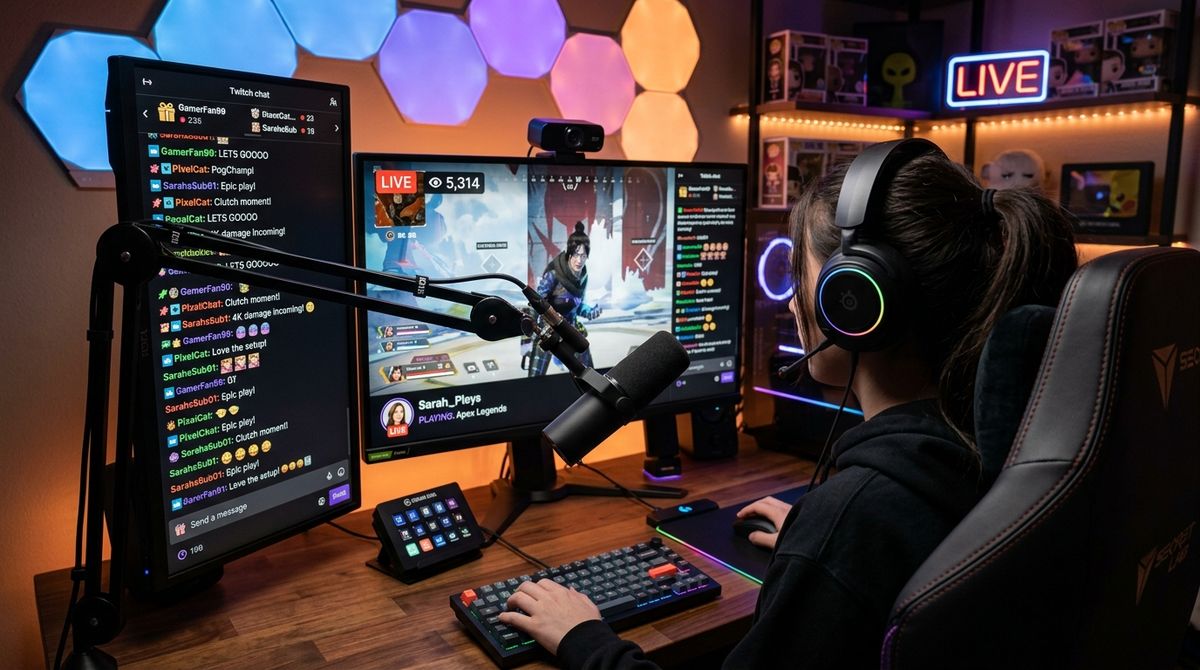
Creators in small communities often share their play sessions with friends, family, and online audiences. Music can make a video more enjoyable, but it can also create problems if it is used without care. Rights holders may request removal, and viewers may leave if the sound is harsh or poorly balanced. This article covers common mistakes, explains how to avoid them, and offers a calm checklist for planning your sound choices. It is general information, and a legal professional should be consulted for advice about a specific situation.
Assuming that any music is free to use
The most frequent mistake is assuming that a soundtrack found online is free for any purpose. Many game soundtracks belong to publishers, composers, or licensing companies, and they may have strict rules about public use. A track that is easy to find is not automatically safe to publish. Before adding a piece to a video or stream, look for a clear license that allows the specific use you have in mind.
Some creators believe that giving credit is enough, but credit alone does not always grant permission. Attribution is a courtesy and sometimes a condition of a license, yet it is not a universal solution. Read the terms carefully, and do not rely on a general belief that a short mention will protect the work from complaints.
Relying on memory instead of written records
Creators often forget where a track came from after a few months. When a complaint arrives, that gap can make the situation much harder to resolve. Keep a simple record for each track that includes the title, the source, the license type, the date you downloaded it, and any credit text you were asked to include. A plain spreadsheet program or a notebook can hold this information.
Readers may also want to visit Diving Legal Consultant. The habit may seem tedious at first, but it builds trust with viewers and protects your channel when questions arise. Good records also make it easier to remove a track quickly if you discover a problem.
Mixing music so it does not overwhelm the content
Even properly licensed music can cause trouble if it is too loud. In a video where the creator is speaking, the soundtrack should sit well below the voice. Viewers who must turn the volume up to hear the commentary will often leave. Test your audio on basic headphones and on a simple speaker, because a mix that sounds fine in one place may be muddy in another.
You can also visit why go to jail for more reading. Keep an eye on sudden jumps in volume between clips, since these can be startling. A steady mix feels professional, and it lets the audience focus on the gameplay or the message rather than on the sound itself.
Creators in small communities should also think about the audience’s experience when they choose sound. Viewers who watch on older phones or slow connections may struggle with large files, so a lighter audio track can be kinder to them. Viewers who share a video with family members often play it in a shared room, where a loud soundtrack can disturb others. Consider whether the music adds value to each moment, or whether silence or natural sound would serve the story better. Thoughtful choices like these make a channel feel welcoming, and they often matter more to loyal viewers than the choice of any single track.
Handling copyright notices calmly
Sooner or later, many creators receive an automated notice about music in a video. These notices can feel alarming, but they are often a routine part of online platforms. Read the message carefully, check the license record you kept, and respond only with accurate information. Avoid replying in anger or making claims you cannot support.
If a dispute continues, consider seeking advice from a qualified professional who understands copyright law. For a related read on this site, see How to Build a Mobile Gaming Station for. Avoid making promises to viewers about what will happen, since outcomes depend on the specific facts and the platform rules.
Planning a safe checklist before publishing
A short checklist before every upload prevents most problems. Confirm that each track has a clear license for your use, check that the mix keeps the voice and gameplay easy to follow, and make sure your records are complete. Save a copy of the final version, so you can compare it later if questions arise.
Use a routine that you can repeat easily:
1. Confirm the license for every music track in the project.
2. Check the credit text and place it where the license requires.
3. Listen to the whole video on headphones and on a simple speaker.
4. Update your music record with the final track list.
5. Save a copy of the published version for your own archive.
Creating content in a small community can be deeply rewarding, and music is a powerful part of that experience. A careful approach protects your work and your audience. When you plan ahead, you can focus on sharing your gameplay with confidence, knowing that the sound behind it is handled responsibly.