Upgrading Modern Homes for Gaming, Music, and Recreation
Modern household routines increasingly center around dynamic personal hobbies. Whether you spend your weekends practicing electric guitar, competing in online multiplayer arenas, or training with athletic and outdoor sports gear, having a dedicated physical area makes a noticeable difference. When hobbies lack a distinct home zone, sound bleeds into bedrooms, expensive equipment gathers dust in crowded hallways, and tangled cables create safety hazards.
Creating an adaptable recreation space allows you to enjoy high-energy entertainment without turning the rest of your home into chaos. Designing such a room requires a balanced approach that accounts for sound management, reliable electrical setups, organized storage, and long-term property flexibility. With deliberate layout choices, you can build a haven that supports creative expression, focused gaming sessions, and athletic conditioning under one roof.
Managing Acoustic Isolation and Sound Clarity
High-volume entertainment and active hobbies generate distinct acoustic challenges. Heavy bass from sound systems, the mechanical clatter of gaming keyboards, and the resonant thud of athletic equipment can easily travel through structural framing. Managing noise does not require building an airtight bunker, but it does call for strategic damping and isolation.
Acoustic management begins with basic surface treatments. Soft furnishings, heavy curtains, and dense area rugs absorb high-frequency flutter echoes that make rooms sound hollow and harsh. For music production and streaming, wall-mounted acoustic panels help capture midrange reflections, ensuring clear microphone audio and accurate sound reproduction.
Acoustic leaks often happen around doors and windows rather than through solid walls. Adding dense weatherstripping around interior door frames and installing a simple draft stopper along the bottom edge significantly cuts down sound escape. These minor adjustments require minimal effort yet deliver an immediate improvement in room isolation without permanent alterations.
Decoupling equipment from the building structure provides additional peace for other household members. Placing subwoofers and audio monitors on dense foam isolation pads prevents low-frequency vibrations from traveling directly into the floor joists. Similarly, using thick rubber interlocking mats under weight benches or indoor practice gear dampens impact sounds before they vibrate through shared walls.
When planning structural sound improvements or evaluating potential homes, considering acoustic potential alongside residential features is essential. Many buyers consult resources like studioroom906.com to better understand how unique layout characteristics and architectural features influence overall property goals and daily comfort. Selecting a home with solid interior doors, well-insulated exterior walls, and separated living wings makes acoustic management far simpler from the start.
Streamlining Power Distribution and Hardware Layouts
A serious entertainment room relies heavily on electrical stability. High-performance desktop computers, multiple display monitors, audio interfaces, instrument amplifiers, and console systems quickly consume power and generate heat. Setting up this hardware haphazardly can lead to tripped breakers, thermal throttling, and unsightly wire clutter.
Start by evaluating the available electrical outlets. Running high-draw electronics from a single wall outlet through chained extension cords is neither safe nor efficient. Distribute your devices across different circuit branches whenever possible, and invest in heavy-duty surge protectors with sufficient joule ratings to shield delicate audio converters and gaming hardware from voltage spikes.
Proper airflow is equally important for preserving the lifespan of performance hardware. Gaming computers and audio amplifiers need continuous ventilation to operate reliably. Position towers several inches away from walls and avoid placing heavy electronic components inside closed cabinets without exhaust fans.
To keep your tech setup clean and safe, follow these essential layout practices:
- Elevate power strips and extension units off the floor using under-desk mounting brackets.
- Group signal cables separately from power cords to prevent unwanted electromagnetic hum in audio tracks.
- Fasten flexible cable sleeves along desk legs to eliminate tripping hazards and visual clutter.
- Arrange monitor screens away from direct window exposure to reduce glare and eye strain.
Organizing Sports Gear and Athletic Equipment
Active enthusiasts frequently juggle both digital hobbies and physical sports. Storing bulky sports gear, protective pads, masks, and tactical athletic items alongside sensitive electronics demands strict organization. Dirt, moisture, and impact damage are constant risks if sports bags are simply left in the corner of an entertainment space.
Vertical storage systems provide an ideal solution for keeping floor space open. Heavy-duty wall tracks, pegboards, and slotted wall panels allow you to suspend gear bags, helmets, and sports apparel neatly against unused wall sections. Storing athletic gear upright encourages airflow, allowing fabrics and pads to dry thoroughly after intensive sessions.
Establishing a distinct boundary between clean electronic areas and athletic staging zones prevents cross-contamination. Storing damp athletic apparel, footwear, and muddy outdoor gear on washable rubber floor trays near the entryway prevents debris from being tracked toward gaming chairs or computer desks. Keeping sensitive audio mixers and gaming towers elevated above these staging areas further protects fragile components from accidental spills or kicking.
Climate control is another critical factor when storing athletic and recreational equipment. Extreme fluctuations in humidity and temperature can warp wooden instruments, degrade rubber seals on sports gear, and harm electronic circuit boards. Maintaining a stable indoor environment protects both your musical investments and your field equipment.
When indoor space is constrained, expanding your hobby footprint to auxiliary buildings offers a practical alternative. In our guide on converting outbuildings into creative spaces, we examined how detached garages and sheds can be repurposed into quiet audio studios and durable training rooms, freeing up the main home for everyday living.
Adapting Entertainment Spaces for Long-Term Home Appeal
Personalized hobby spaces bring immense daily enjoyment, but home needs evolve over time. Highly customized installations that cannot be modified easily can sometimes limit the functional appeal of a property for future occupants. Designing your recreation room with modular, reversible upgrades ensures that the space remains useful for years to come.
Instead of applying permanent glue-down acoustic foam or constructing immovable partitions, choose mounting methods that cause minimal drywall damage. Freestanding acoustic screens, modular shelving units, and removable track lighting deliver excellent utility while remaining simple to reconfigure or remove.
Understanding how flexible floor plans contribute to general property desirability can help guide your renovation choices. Keeping up with real estate articles on platforms like Aksaray City provides helpful perspective on modern housing trends and the growing desire for adaptable multi-use living environments. Spaces that seamlessly transition between work, creative play, and relaxation consistently attract positive attention from prospective buyers.
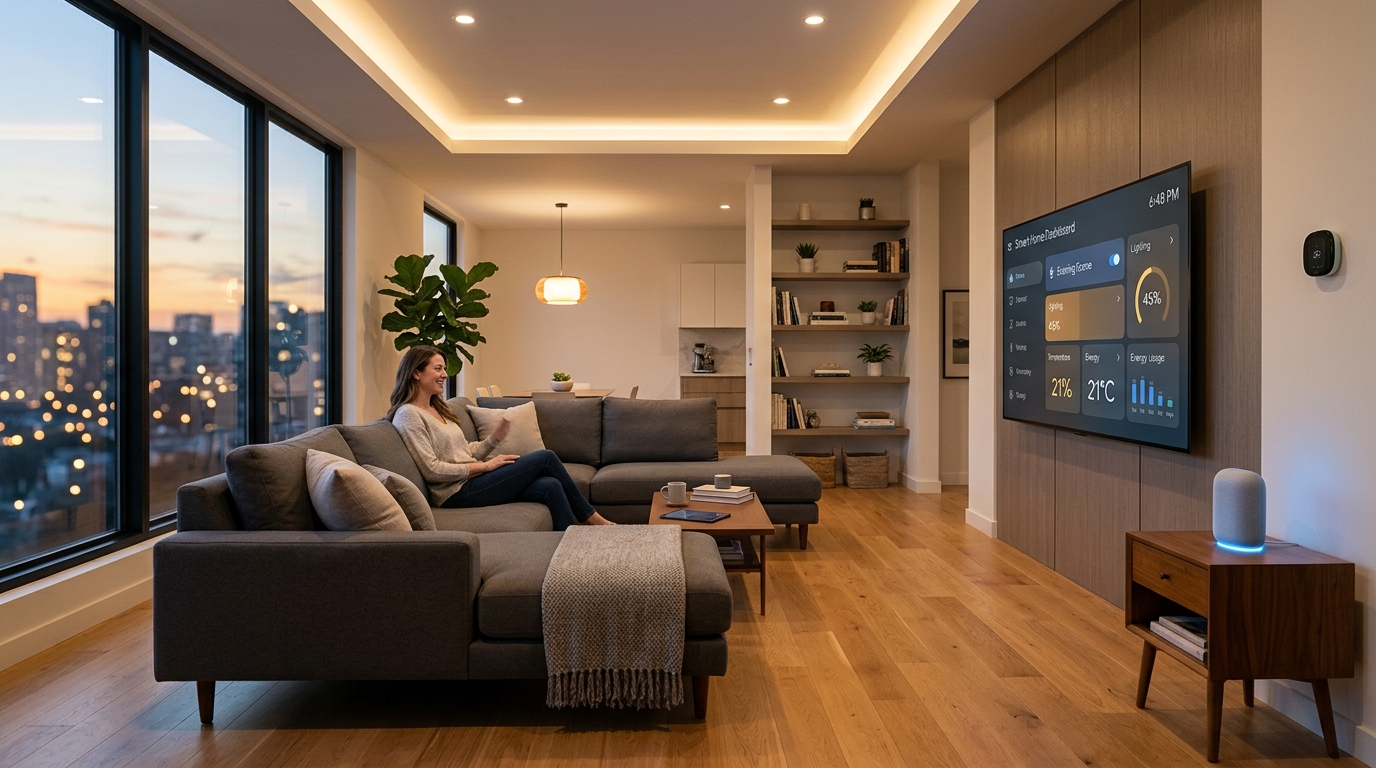
Neutral color palettes with accent lighting also provide versatility. While vibrant colors might suit a streaming backdrop, neutral wall tones paired with programmable smart lighting allow you to switch the ambiance instantly from an energetic gaming room to a calm music studio or a traditional home office.
Maintaining Order and Longevity in Active Multi-Use Rooms
Operating a multi-use room requires routine care to keep both electronic hardware and sports gear in peak condition. Dust accumulation is one of the most common causes of overheating in gaming consoles and desktop computers. Setting a regular schedule to wipe down surfaces and gently blow dust from fan grilles prevents premature hardware failures.
Similarly, organizing small accessories prevents daily frustration. Dedicated storage bins, labeled drawer inserts, and desktop trays keep guitar picks, audio adapters, controller charging cables, and sports maintenance tools exactly where you need them. When every item has an assigned location, clean-up takes only a few minutes at the end of each session.
Taking a deliberate approach to zoning, storage, and noise control turns any multi-use space into an inspiring retreat. By respecting the needs of your gear, the comfort of your household, and the architectural character of your home, you can enjoy creative and athletic passions to the fullest.