
A Music Practice Routine That Survives Exam Season
Exam season can make a music practice routine feel impossible. Revision timetables fill the evenings, tiredness sets in early and the instrument starts to feel like one more demand. Yet many musicians find that a carefully designed routine keeps skills alive through even the busiest months. This article offers a practical approach for teenagers who play an instrument or sing, along with guidance for the adults who support them. The focus is on short, focused sessions that protect progress without crowding out study.
Why routines collapse under pressure
Most practice routines fail for predictable reasons. They rely on long sessions that cannot be sustained when the week is full. They have no fixed time, so each day becomes a negotiation. They also focus on finishing pieces rather than improving specific skills, which feels frustrating when progress is slow. Under exam pressure, these weaknesses become obvious, and the instrument is the first thing dropped.
A better starting point is to accept that practice during exams will look different. The goal is maintenance, not a leap forward. Keeping finger strength, rhythm and familiarity with core pieces is a realistic target, and it makes returning to full practice much easier afterwards. Many teachers describe this as protecting the foundation rather than building the house.
Building a short, focused session
A useful exam-season session might last only a short time, but it should have a clear structure. Begin with a warm-up that uses scales, arpeggios or breathing exercises. Move to one passage that needs attention, practise it slowly and then at tempo. Finish with a piece you enjoy, so the session ends on a positive note. Three parts are enough, and each part has a purpose.
Choose the time of day carefully. Some students think more clearly after a break from revision, while others prefer to practise before school when the mind is fresh. Test both options for a week, then choose the one that fits. The best time is the one that actually happens. Writing down which slot works best can help the student stick with it when motivation dips.
A weekly plan for busy students
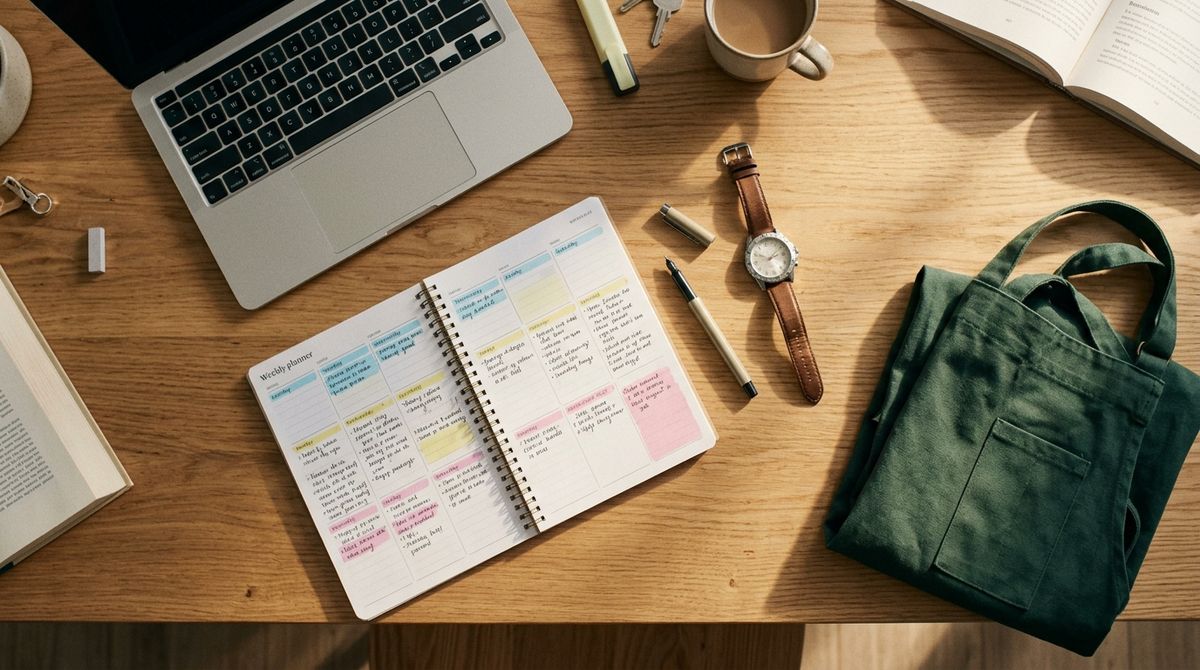
Think in weeks rather than days. A simple pattern is to practise a little on most days, with one slightly longer session at the weekend. The short sessions protect habit, and the longer session allows deeper work. If a day is impossible, skip it without guilt and resume the next day. A single missed day rarely harms progress; a string of missed days, followed by guilt, is what causes trouble.
Keep a visible log of sessions. A tick on a calendar or a note on a phone reminds the musician that consistency is happening. Readers may also want to visit policydevelopment.org. Many students find that seeing a run of ticks is motivating, even when the sessions are brief. The log also helps the adult see progress without needing to ask every day.
Using a practice log and small goals
Each session can end with a short note: what was worked on, what improved and what needs attention next time. This habit turns practice into learning rather than repetition. Keep the goals small and specific, such as playing one passage with fewer mistakes or keeping a steady pulse for a full line. Small goals create regular wins, and wins keep motivation alive when exams feel heavy.
You can also visit MyLawyer360 for more reading. Choose material that matches the current level rather than stretching for something far beyond it.
Supporting a student from home
Adults can make a big difference without taking over. Ask what the student is working on and listen to a short passage when invited. Praise the effort and the specific improvement, rather than only the final result. For a related read on this site, see Mistakes to Avoid When Using Game Soundtracks in. Protect the practice time from interruptions, and agree on a clear plan for returning to fuller sessions after exams finish.
If stress starts to affect sleep, appetite or mood, talk to a teacher, school counsellor or doctor. Practice should support wellbeing, not undermine it. A calm, supportive environment will do more for the student than any extra hour at the instrument.
Exam season does not have to end a musical journey. A short, focused routine, a visible log and realistic goals can keep skills intact while study takes priority. When the exams end, the student will return to practice with a stronger foundation and a clearer sense of what to work on next. Keep the door open, keep the sessions gentle and let the music remain part of the week.