Organizing a Grassroots Video Game Tournament in Your Town
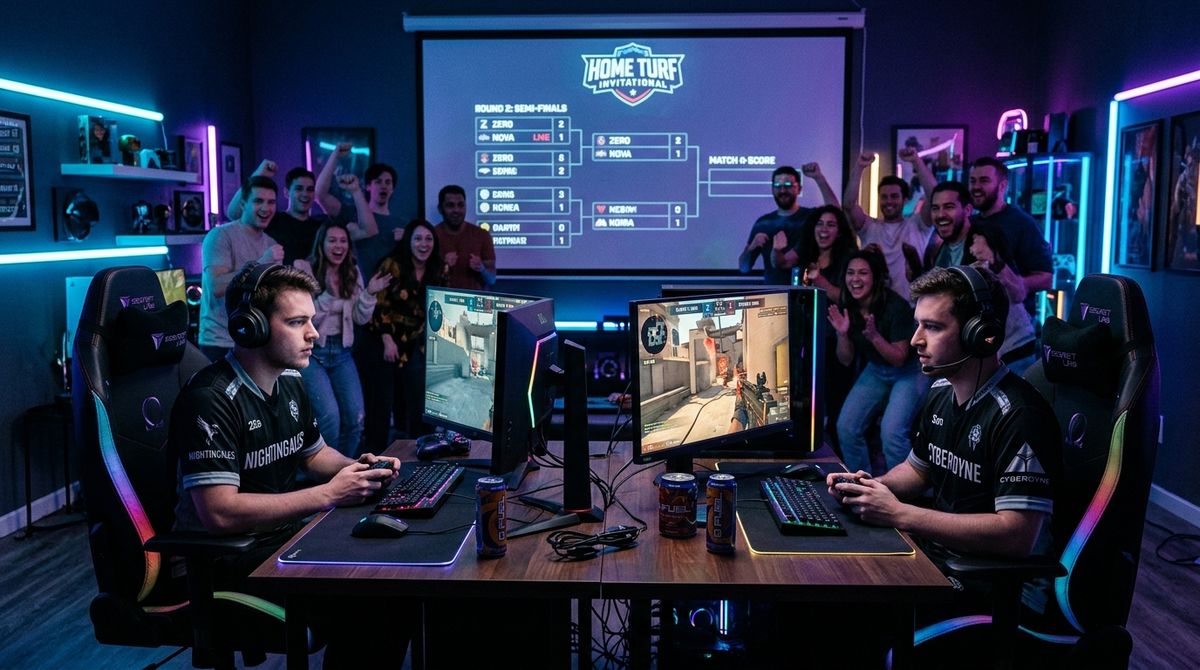
Local gaming tournaments bring neighbors together, celebrate friendly competition, and transform solitary screen time into a shared social experience. When organized with patience and attention to detail, a grassroots video game event can become a cherished tradition for players of all skill levels. From fighting game showdowns to cooperative sports titles, these gatherings offer a welcoming space for hobbyists who enjoy testing their skills in person.
Pulling off a successful community event requires more than simply plugging in a few monitors and inviting friends. Organizers must coordinate reliable power, establish fair guidelines, secure a workable venue, and keep the environment safe and enjoyable for everyone. Approaching the planning process with structured preparation helps make sure that your tournament runs smoothly from the opening match to the final handshake.
Securing the Right Venue and Power Setup
Selecting an appropriate space sets the tone for your entire gathering. Community halls, public library rooms, and local recreation centers often provide affordable rental spaces with ample room for tables and chairs. When touring potential locations, inspect the available electrical outlets and check the circuit layout with the facility manager. Modern gaming consoles, high-refresh displays, and audio amplifiers draw steady electricity, and overloading a single outlet can disrupt matches unexpectedly.
Distribute your gaming setups across multiple wall outlets located on different circuits whenever possible. Heavy-duty extension cords and multi-outlet surge protectors are essential tools for safeguarding delicate electronics against sudden power fluctuations. Keep extra hardware on standby so that a single faulty cable does not bring an entire bracket to a standstill.
Cable management is equally critical for physical safety and equipment preservation. Secure all dangling wires to table legs and tape down floor cords using heavy-duty gaffer tape rather than slick packing tape. Creating clear, unobstructed walkways prevents participants and spectators from tripping over cords, protecting both your attendees from injury and expensive gear from crashing to the floor.
Navigating Venue Contracts and Liability Basics
Working with venue management requires open communication and clear agreements. Most municipal halls and commercial event spaces require organizers to sign a rental agreement detailing building hours, noise thresholds, and property cleanliness standards. Taking the time to read through these documents carefully ensures that your team understands all facility rules, deposit return conditions, and emergency exit procedures before any equipment enters the building.
Establishing straightforward guidelines for player conduct and personal property protection protects your event from unnecessary complications. When participants bring their own controllers, headsets, or memory cards, having a clear policy regarding personal belongings sets proper expectations. Simple registration agreements that outline good sportsmanship, basic behavioral standards, and mutual respect keep everyone accountable while preserving a lighthearted atmosphere.
Organizers who want a clear foundation for managing basic agreements and understanding dispute resolution can benefit from studying general legal information. Exploring resources such as mycasesource.com can help you learn how simple contracts and liability principles work before meeting with property managers. Gaining that baseline familiarity makes reviewing venue rental forms and community agreements far less intimidating.
Staying Informed on Local Rules and Public Gatherings
Every municipality maintains basic public safety guidelines regarding event capacity, fire codes, and public gatherings. Even modest indoor events must respect room occupancy limits and keep emergency doors unobstructed. Checking with your local civic office or community center supervisor guarantees that your gathering operates in full harmony with neighborhood ordinances and building safety standards.
Handling community expectations thoughtfully also involves monitoring noise levels and parking arrangements. When dozens of eager players gather to cheer for intense tournament finishes, volume levels naturally rise. Planning your match schedule so that loud finals conclude well before local evening quiet hours demonstrates respect for nearby residents and builds goodwill for future gatherings.
Community organizers should also stay current on broader administrative standards and public event updates. Reading articles on lawyernewsblog.com provides helpful insight into ongoing legal issues, consumer updates, and general civic news that influence public gatherings. Staying informed about everyday legal developments helps you make responsible choices when organizing events for local crowds.
Structuring Brackets, Time Management, and Player Health
A well-structured tournament bracket keeps matches flowing predictably without leaving players waiting around for hours. Double elimination brackets remain a favorite format because they allow each participant to play multiple sets, even if they stumble during the first round. Publish the tournament rules, match scoring criteria, and stage selection guidelines clearly on a community board or social event page well in advance.
Pacing is vital for keeping participants energized and focused. Marathon gaming sessions can lead to eye fatigue, poor posture, and mental exhaustion, which detracts from the fun of competition. Schedule intentional intervals between tournament rounds so players can stretch, step outside for fresh air, and grab water.
Reminding participants to balance their match preparation with rest, hydration, and everyday commitments prevents mid-tournament fatigue. Much like developing a music practice routine that survives exam season, competitors benefit when they maintain realistic habits rather than exhausting themselves during practice. Encouraging short breaks between intense sets keeps reflexes sharp and preserves positive energy throughout the day.
Essential Checklist for Tournament Day Operations
Running a smooth tournament day depends on systematic execution. Having a clear series of operational checkpoints allows your event crew to address small equipment hiccups before they turn into major schedule delays.
- Test every console, monitor, and controller station before participants arrive.
- Label all power cables, surge protectors, and video adapters clearly.
- Post tournament rules and bracket schedules in visible gathering areas.
- Designate a central check-in desk for registration and player questions.
- Keep extra extension cords, cleaning wipes, and trash bags readily available.
Assigning specific roles to volunteers makes handling these responsibilities straightforward. When one person oversees bracket reporting while another manages station availability, players receive prompt answers without causing bottlenecks at the front desk. Clear division of labor keeps staff calm and allows organizers to address unforeseen questions with ease.
Fostering Sportsmanship and Long-Term Community Support
The true success of a grassroots gaming event is measured by the quality of the community connections it fosters. Cultivating an environment where experienced competitors gladly offer constructive tips to newcomers helps dismantle intimidation barriers. Encouraging handshakes, respectful communication, and shared celebration turns competitive rivalry into lasting camaraderie.
After the final trophies or certificates are awarded, remember to thank your venue hosts, volunteers, and participants for their time and cooperation. Leaving the rented space cleaner than you found it cements a positive reputation with property managers and ensures a warm welcome for future events. With consistent preparation, thoughtful safety practices, and an emphasis on community enjoyment, your local tournament can become a beloved regional tradition.